We accept Medicare

How Do You Care for Your Teeth and Aligners During Treatment?
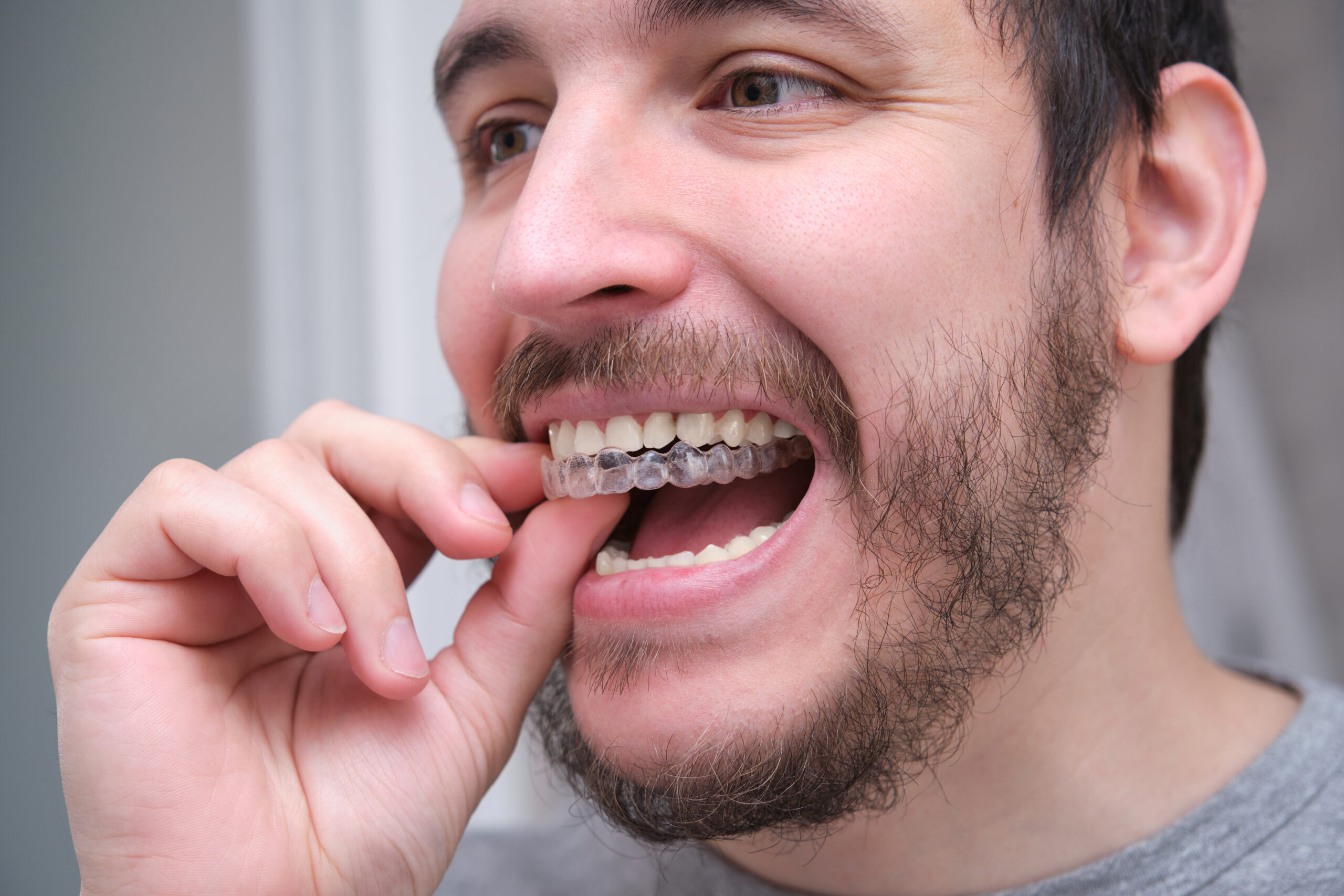
Clear aligner treatment works best when you back it up with good daily habits. Straightening your teeth isn’t just about the trays—it’s about the choices you make at home, too. Small, steady aligner care steps protect your enamel, keep your aligners looking clear, and help everything stay on track. This guide gives you practical advice that’s easy to incorporate into your day, so you can keep your progress ongoing and your smile healthy.
Habits That Help You Stay on Track
Start with the basics—they never go out of style. Brushing and flossing help remove plaque that can build up under your aligners. The American Dental Association says brushing twice a day with fluoride toothpaste reduces your risk of cavities and helps protect your enamel during orthodontic treatment.
Pay attention to timing. Brush after meals before you put your aligners back in, so you don’t trap sugars or acids in the aligners. If you can’t brush after meals, rinse your mouth thoroughly with water, then wait a few minutes before putting the trays back in. This habit supports your dental health and keeps your aligners clean, all without adding stress to your routine.
A few helpful reminders:
- Brush twice a day, floss once.
- Rinse after snacks if you can’t brush right away.
- Wear your aligners for 20-22 hours a day.
How to Care for Your Aligners
Clear aligners are sturdy, but they still need gentle care. Nothing works better than cleaning them daily with a soft brush and lukewarm water. While it might seem hot water works better, it can warp the trays. You shouldn’t use toothpaste either, as it can scratch the aligner.
Always keep your trays in their case when they’re not in use. The aligner case protects your investment and helps you stay on schedule. These clear aligner care tips help prevent stains, odors, and damage to your aligners.
Eating, Drinking, and Protecting Your Enamel
Food choices play a vital role in keeping the aligners in great shape. Always remove your aligners before meals to avoid cracking or staining. You can drink water with trays in, but anything sugary or acidic can harm your enamel and the aligners.
Another vital care tip you should also follow is to eliminate sticky foods from your diet and snack less frequently. The CDC says that eating sugar often raises your risk for cavities. Being thoughtful about what and when you eat helps protect your teeth and keeps your checkups smooth.
Checkups and Professional Support
Regular dental visits catch minor problems early. Cleanings remove hardened plaque that brushing misses. Exams make sure your gums are healthy, and your teeth are moving the way they should. If you’re using clear aligners, quick check-ins help confirm your trays fit right and feel comfortable.
If your trays feel too tight after the first day or start to cause sore spots, reach out to your dental team at Elegantly Dental. Adjustments help keep you comfortable without slowing your progress. These check-ins help you stay on track and make sure everything’s moving smoothly.
Staying Consistent Between Tray Changes
Every new set of aligners builds on the last. Wearing them consistently matters more than being perfect. Research shows that daily wear offers results you can count on. Try setting reminders, keep a small dental kit with you, and plan your meals so you don’t reduce your wear time. Consistency helps your teeth move the right way and makes switching trays easier.
If you have questions or if something feels unusual, make an appointment with the team at Elegantly Dental. A quick visit can keep your improvement on track and help you move forward with confidence.
FAQs
How often should aligners be cleaned each day?
Clean aligners at least once daily. Rinse after removal and brush gently at night to prevent buildup.
Can mouthwash be used with aligners?
Alcohol-free mouthwash is fine for rinsing your mouth. Avoid soaking aligners in mouthwash to prevent damage.
What should I do if I forget my aligner case?
Rinse trays with water and place them in a clean container. Do not keep them wrapped in napkins to prevent them from being lost.
Is mild pressure normal with a new tray?
Yes. Light pressure for a day or two is common and is a sign of progress. Ongoing pain should be checked.
How does dry mouth affect aligner wear?
Dry mouth can raise cavity risk. Drink plenty of water and discuss saliva-friendly care options with your dentist.



New Patients Welcome!
Optimal oral health starts with a customized treatment plan. Begin your treatment by scheduling a consultation today.