We accept Medicare


Deep Cleaning vs Regular Cleaning in Ocoee, FL
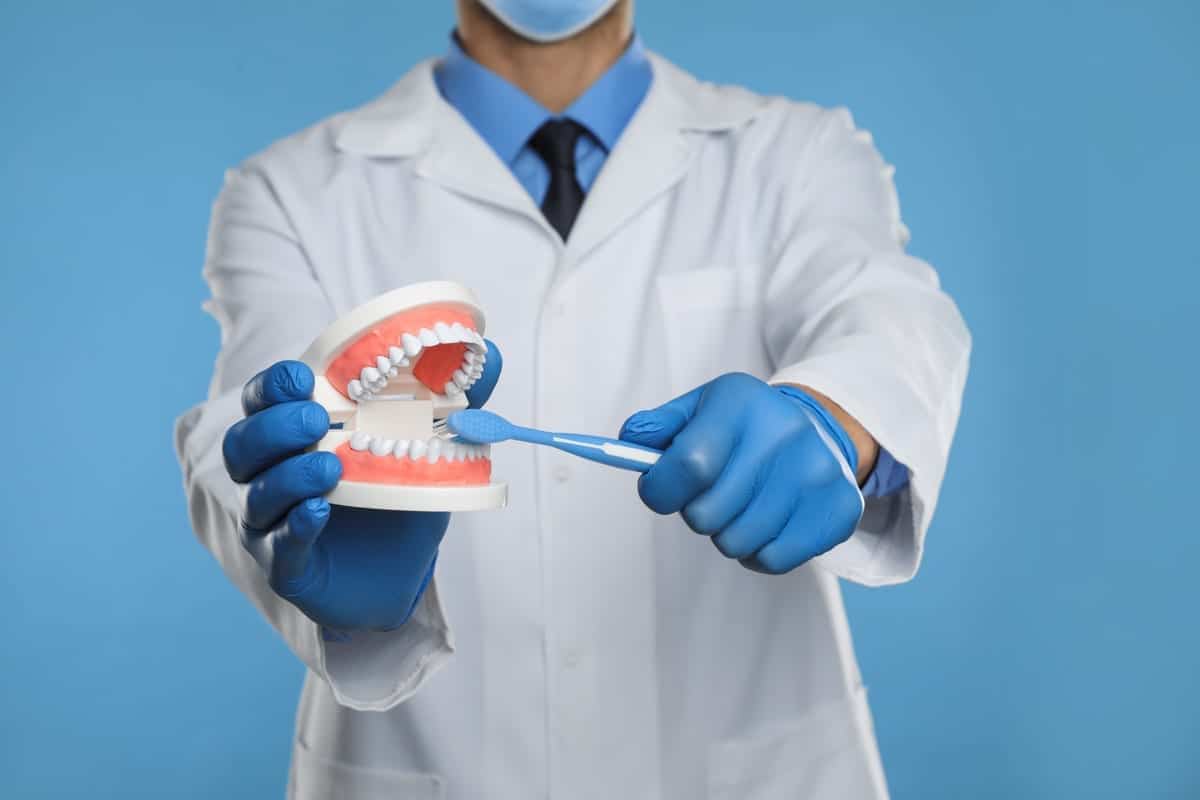
You came in expecting a routine cleaning and left with a recommendation for something different. If your dentist suggested a deep cleaning, you may be wondering why. Understanding why your dentist recommended deep cleaning instead of regular in Ocoee can help ease your concern. It also helps you make an informed decision about your oral health.
The two procedures are not interchangeable. They serve different purposes and address different stages of gum disease. Dr. Young S. Lee at Elegantly Dental of Ocoee wants every patient to understand exactly what they need and why. This article explains the clinical difference so you can feel confident moving forward.
What Happens During a Regular Teeth Cleaning?
A routine cleaning is also called a prophylaxis. It is designed for patients who have healthy gums or very mild inflammation. Your hygienist removes plaque and tartar from the surfaces of your teeth. They also clean just slightly below the gumline.
This type of cleaning works well as a preventive measure. Most patients benefit from getting one every six months. It keeps bacteria from building up and helps maintain a healthy smile. Think of it as standard maintenance for your mouth.
During a regular cleaning, your hygienist will also polish your teeth. This removes surface stains and leaves your mouth feeling fresh. The entire appointment is typically quick and comfortable. There is no numbing required in most cases.
What Is a Deep Cleaning and Why Is It Different?
A deep cleaning is a clinical procedure known as scaling and root planing. It goes much further than a routine cleaning. Your hygienist cleans below the gumline, deep into the pockets that form around your teeth. These pockets develop when gum disease begins to pull the gums away from the teeth.
Scaling removes hardened tartar, called calculus, from below the gumline. Root planing smooths the root surfaces of your teeth. Smooth roots make it harder for bacteria to reattach. Together, these steps help your gums heal and reattach properly to your teeth.
Because deep cleaning reaches deeper tissue, it usually requires local anesthesia. The procedure is often completed in two appointments. One side of the mouth is treated at a time. This allows your gums to begin healing while the other side is addressed.
How Does Your Dentist Know You Need a Deep Cleaning in Ocoee?
Your dentist does not recommend a deep cleaning based on a guess. They use a small instrument called a periodontal probe to measure your gum pockets. Healthy pockets measure between one and three millimeters. Pockets measuring four millimeters or more suggest gum disease is present.
X-rays also play an important role in this assessment. They reveal whether bone loss has occurred around your teeth. Bone loss is a strong indicator that infection has been active for some time. These two tools together give your dentist a clear clinical picture.
Common signs that point toward a need for deep cleaning include:
- Gum pockets deeper than 3–4 millimeters
- Bleeding gums during brushing or probing
- Visible tartar buildup below the gumline
- Gum recession or teeth that look longer than before
- Bone loss visible on dental X-rays
If any of these findings are present, a routine cleaning simply will not be enough. Performing only a prophylaxis when gum disease exists can leave harmful bacteria behind. That bacteria continues to damage your gums and bone over time.
What Are the Benefits of Getting a Deep Cleaning?
Many patients feel hesitant when they hear they need a deeper procedure. However, deep cleaning has real and lasting benefits for your oral health. Addressing gum disease early can prevent tooth loss down the road. It can also reduce your risk of more serious dental work in the future.
Here are the key benefits of scaling and root planing:
- Removes bacteria that cause gum inflammation and bone loss
- Reduces pocket depth and allows gums to heal
- Stops gum disease from progressing to more advanced stages
- Freshens breath by eliminating deep bacterial buildup
- Protects the long-term stability of your natural teeth
Research also connects gum disease to systemic health conditions. These include heart disease and diabetes. Treating gum disease is not just about your mouth. It supports your overall wellbeing as well.
Some patients at Elegantly Dental of Ocoee also explore smile improvements after getting their gum health under control. Services like Cosmetic Dentistry are most effective when your gum foundation is healthy first. A stable, healthy mouth is the starting point for any aesthetic work.
What Happens If You Skip the Deep Cleaning?
Choosing to skip a recommended deep cleaning carries real risks. Gum disease does not resolve on its own. Without treatment, bacteria continue to damage the tissue and bone supporting your teeth. Over time, this can lead to loose teeth or tooth loss.
Advanced gum disease may also require more involved treatment. In some cases, infection can travel deeper into the tooth. This can lead to the need for a Root Canal or even tooth extraction. Addressing gum disease early is always the better option.
Delaying treatment also means you spend more time in discomfort. Inflamed, bleeding gums are uncomfortable and affect your daily life. Acting promptly gives your gums a real chance to heal fully. Most patients see significant improvement after completing the procedure.
What to Expect After Your Deep Cleaning
After a deep cleaning, some sensitivity and mild soreness is normal. Your gums may feel tender for a few days. Over-the-counter pain relievers usually manage this discomfort well. Most patients return to their normal routine the same day.
Your dentist will schedule a follow-up appointment four to six weeks later. At this visit, your gum pockets are measured again. The goal is to see reduced pocket depths and healthier tissue. Many patients transition back to regular cleanings once gum health is restored.
Maintaining good home care is essential after deep cleaning. Brush twice daily and floss every day without fail. Your dentist may also recommend more frequent maintenance visits. These are called periodontal maintenance appointments and help keep gum disease from returning.
Frequently Asked Questions
Is a deep cleaning painful?
Most patients experience little to no pain during the procedure. Local anesthesia is applied to numb the area before treatment begins. Some tenderness may follow for a day or two. Over-the-counter pain relievers typically provide enough relief during recovery.
How long does a deep cleaning take?
Each quadrant or half of the mouth takes about one to two hours. Many dentists treat one side per visit. This means you will likely have two appointments spaced about one to two weeks apart. Your total treatment time depends on the severity of the gum disease present.
Will my gums go back to normal after a deep cleaning?
Many patients see significant improvement after completing the procedure. Gum pockets often shrink and tissue becomes firmer and healthier. However, this depends on how advanced the disease was and how well you maintain your home care routine afterward. Regular follow-up visits are essential for lasting results.
Can I go back to regular cleanings after a deep cleaning?
This depends on how your gums respond to treatment. Some patients return to standard six-month cleanings once gum health is restored. Others benefit from more frequent periodontal maintenance visits every three to four months. Your dentist will evaluate your gums at each follow-up and advise you accordingly.
Why does gum disease sometimes have no obvious symptoms?
Gum disease is often called a silent condition because it can progress without obvious pain. Many patients feel no discomfort even when pockets are deep and bone loss has begun. This is why regular dental exams are so important. Early detection allows for earlier, simpler treatment before serious damage occurs.
At Elegantly Dental of Ocoee, Dr. Young S. Lee takes the time to explain every recommendation clearly. You deserve to understand your treatment before you agree to anything. If your dentist has suggested a deep cleaning, trust that it is based on clinical findings designed to protect your smile. Book Now to schedule your appointment with our team.



New Patients Welcome!
Optimal oral health starts with a customized treatment plan. Begin your treatment by scheduling a consultation today.