We accept Medicare


Dental Implants vs. Dentures & Bridges in Orlando, FL

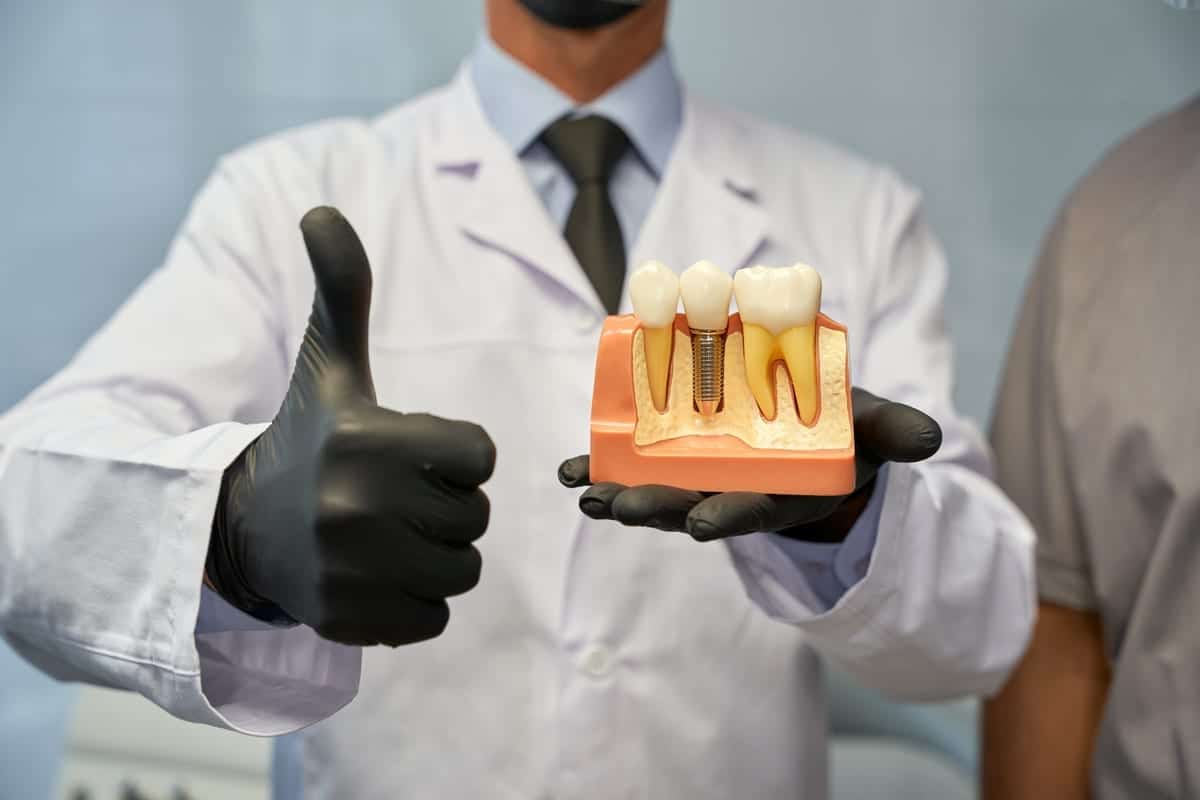
Losing a tooth changes everything — how you eat, how you speak, and how you feel about your smile. If you live in Gotha and are weighing your options, understanding dental implants vs. dentures and bridges is an essential first step. Each solution has real advantages, and the right choice depends on your unique needs. At Elegantly Dental of MetroWest, Dr. Young S. Lee helps patients make confident, informed decisions every day.
Understanding Your Three Main Options in Gotha
Before comparing treatments, it helps to know exactly what each one is. A dental implant is a titanium post surgically placed into your jawbone. It acts as a permanent tooth root and supports a custom crown on top.
A dental bridge spans the gap left by a missing tooth. It anchors to the healthy teeth on either side, which must be filed down to support the bridge. Bridges are fixed in place but do not replace the tooth root.
Dentures are removable appliances that replace multiple — or all — missing teeth. Traditional dentures rest on the gums, while implant-supported dentures attach to implants for greater stability. Each option fits a different patient situation.
Dental Implants vs. Dentures and Bridges: Key Differences to Know
When patients in Gotha compare dental implants vs. dentures and bridges, longevity is often the first concern. Implants can last a lifetime with proper care. Bridges typically last 10–15 years, and dentures often need replacing or relining every 5–10 years.
Bone health is another major difference. Implants stimulate the jawbone just like natural tooth roots. This prevents the bone loss that naturally follows tooth loss. Bridges and dentures do not provide this stimulation, which can lead to gradual bone shrinkage over time.
Here is a quick side-by-side comparison to guide your thinking:
- Dental Implants: Permanent, bone-preserving, most natural feel, longer upfront process
- Dental Bridges: Fixed solution, no surgery needed, requires altering adjacent teeth
- Traditional Dentures: Removable, replace many teeth at once, may slip or shift over time
- Implant-Supported Dentures: More stable than traditional dentures, still involve implant surgery
Understanding these differences helps you have a more productive conversation with Dr. Lee during your consultation.
Who Is a Good Candidate for Each Treatment?
Not every patient qualifies for every treatment. Dental implants require adequate jawbone density and healthy gums. Patients with uncontrolled diabetes, active gum disease, or significant bone loss may need additional treatment before pursuing implants.
Bridges are a practical choice when only one or two teeth are missing and the neighboring teeth are strong. However, those neighboring teeth must be permanently altered to hold the bridge in place. Some patients prefer to avoid modifying healthy teeth.
Dentures work best when many teeth are missing or when a patient needs a full-arch replacement. They are also the most accessible option for patients who are not candidates for surgery. Implant-supported dentures offer a middle ground for patients who want stability without replacing every tooth individually.
If you are exploring Cosmetic Dentistry options to restore your smile, our team can help you find the best fit for your oral health, lifestyle, and goals.
What the Treatment Process Looks Like
The process differs significantly across these three options. Here is what patients in Gotha can generally expect:
- Dental Implants: Consultation and imaging → implant placement surgery → healing period (several months) → crown placement
- Dental Bridges: Consultation → teeth preparation → impressions → temporary bridge → permanent bridge placement (usually 2–3 visits)
- Dentures: Impressions and measurements → fitting appointments → adjustments as needed over time
Implants take the longest to complete, but many patients feel the permanence and function are worth the wait. Bridges offer a faster fixed solution. Dentures can often be delivered relatively quickly, especially if extractions are not needed first.
If a tooth has become infected or damaged before your replacement treatment begins, a Root Canal may be necessary to save or prepare the area first. Dr. Lee will evaluate your full dental health before recommending a path forward.
Weighing the Long-Term Value
Many Gotha patients focus on upfront costs but forget to factor in long-term value. Implants cost more initially but rarely require replacement. Bridges and dentures involve ongoing maintenance, replacement costs, and potential repairs over the years.
Quality of life also matters. Implants feel and function like natural teeth. Patients can eat, laugh, and speak without worrying. Denture wearers sometimes experience slipping, clicking, or discomfort — especially as the jawbone changes shape over time.
Bridges preserve some function but do not feel identical to natural teeth. They also place stress on the anchor teeth, which can lead to problems down the road. No single option is perfect for every patient, but understanding these trade-offs helps you plan wisely.
Making Your Decision with Dr. Young S. Lee
Choosing between dental implants, bridges, and dentures is a personal decision. It depends on your oral health, the number of missing teeth, your bone density, and your long-term goals. Dr. Young S. Lee and the team at Elegantly Dental of MetroWest take time to understand each patient’s unique situation before making any recommendation.
Patients in Gotha and the surrounding MetroWest area trust our practice for honest, patient-focused guidance. We do not rush consultations or push unnecessary treatments. Our goal is to help you make the decision that truly serves your health and your smile for years to come.
Ready to take the next step? Book Now to schedule your appointment with our team.
Frequently Asked Questions
How long do dental implants last compared to bridges and dentures?
Dental implants can last a lifetime with proper care and good oral hygiene. Bridges typically last 10–15 years before needing replacement. Traditional dentures usually require relining or replacement every 5–10 years. Implants offer the longest-lasting solution available.
Is the dental implant procedure painful?
Most patients report that the implant procedure is more comfortable than they expected. Local anesthesia is used during surgery, and any post-procedure soreness is usually managed with over-the-counter pain relief. Dr. Lee prioritizes patient comfort throughout the entire process.
Can I get a dental implant if I have bone loss in my jaw?
Significant bone loss can make implants more challenging, but it does not always rule them out. Bone grafting procedures can rebuild lost bone and prepare the jaw for an implant. Dr. Lee will evaluate your bone density with imaging during your consultation to determine your options.
Are dentures a temporary or permanent solution?
Traditional dentures are considered a long-term but not permanent solution. They require replacement or relining every several years as the jawbone changes shape. Implant-supported dentures offer greater stability and can reduce bone loss over time, making them a more durable alternative.
How do I know which option is right for me?
The best way to know is to schedule a comprehensive consultation with Dr. Young S. Lee. Factors like the number of missing teeth, your bone health, your overall oral health, and your lifestyle all influence the recommendation. There is no one-size-fits-all answer, and a personalized exam is always the best starting point.



New Patients Welcome!
Optimal oral health starts with a customized treatment plan. Begin your treatment by scheduling a consultation today.