We accept Medicare

Dental Implants vs. Dentures: Difference Breakdown with Dr. Young S. Lee
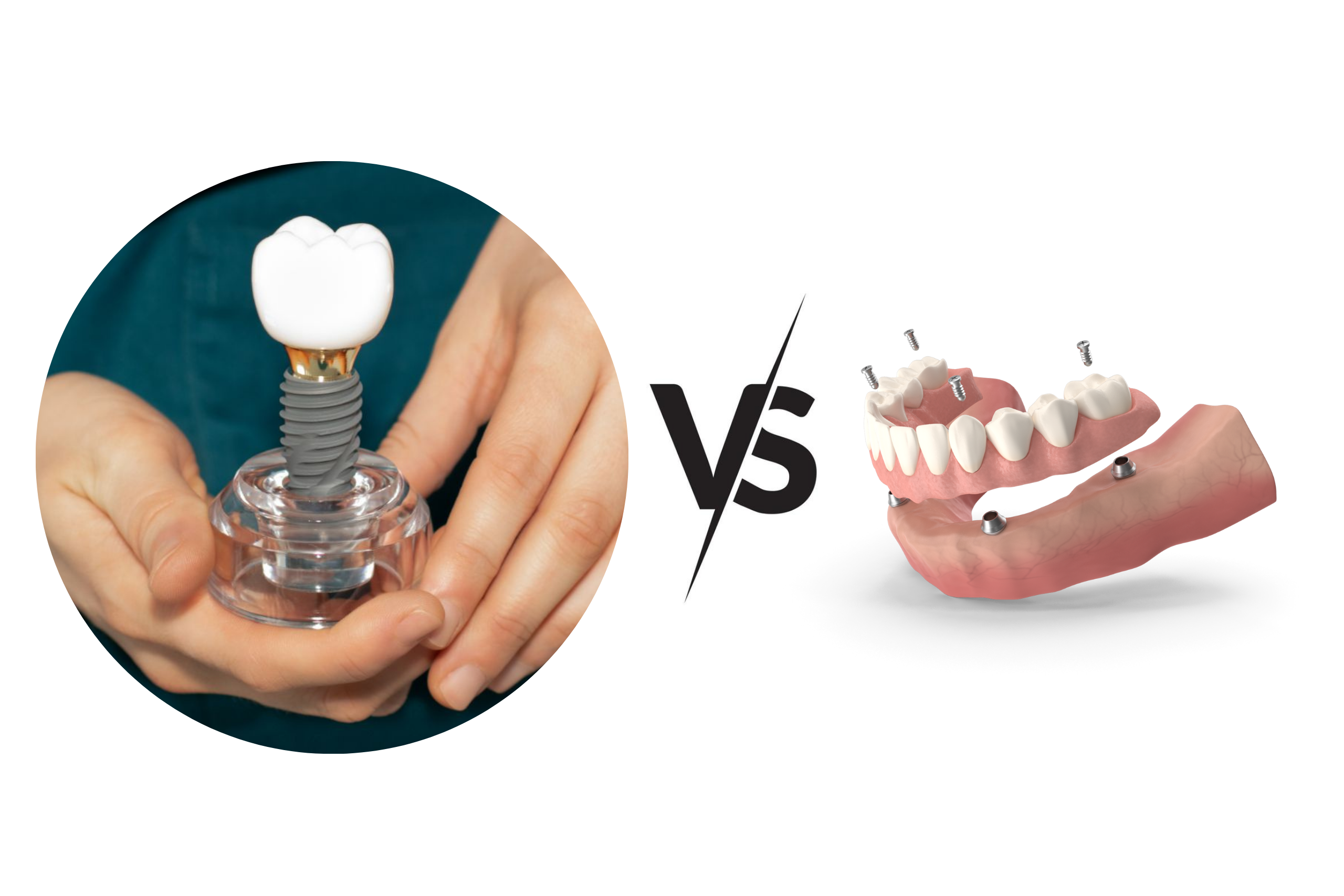
When restoring a uniquely beautiful smile, two of the most popular options are dental implants and dentures. Both options offer benefits, but each also has a host of considerations. As a means of understanding both of these options, especially for restoring a set of teeth that are naturally beautiful, let’s hear from Dr. Young S. Lee of Elegantly Dental in Orlando.
While dental implants and dentures both help replace missing teeth, they do so in different ways. While implants are titanium rods inserted into the bone to act as tooth root replacements, dentures are simply placed on the gums. Adhesives or suction are then used to keep them in place. The benefits of each will be discussed in the sections that follow to help you get a better understanding of which of these options might be right for you.
The Structure and Function: A Closer Look
Dental implants mimic natural tooth roots and, as such, provide a solution that undergoes osseointegration. This process is important for preserving the health of your jaw. Dental implants, made of titanium, are highly biocompatible, meaning they integrate well with the jaw. The process prevents bone loss, which is a problem with tooth loss.
On the other hand, dentures never address bone loss. If you have a missing tooth, you can sometimes prevent additional functional problems with dentures. Nevertheless, dentures will never prevent the bone from shrinking. In fact, poorly fitting dentures often cause facial collapse over time, and you will look different. As a matter of fact, sometimes you will need to make frequent adjustments because of changes that will have occurred to your bone as a result of having lost teeth.
The Impact on Your Smile and Face
When comparing dentures to dental implants in Orlando, the greatest difference between these dental prosthetics lies in their effect on your facial appearance. Implants retain your facial beauty. This is due to their integration with the bone. Therefore, they stimulate bone health, helping prevent a sunken facial appearance.
Dentures, being functional, often affect an individual’s facial appearance. Jawbone resorption occurs due to a lack of bone stimulation, resulting in an aging look. Even well-fitting dentures sometimes do not accurately replicate the appearance of the original teeth as endosseous implants do.
Functionality and Comfort: What to Expect
Dental implants are fixed permanently in your mouth, which means you do not have to worry about them moving or causing discomfort during speaking, eating, or smiling. Endosseous implants give you a sense of normalcy, and there is no better option for replacing missing teeth. When you get implants, you can eat your favorite food, talk clearly, and smile as you wish.
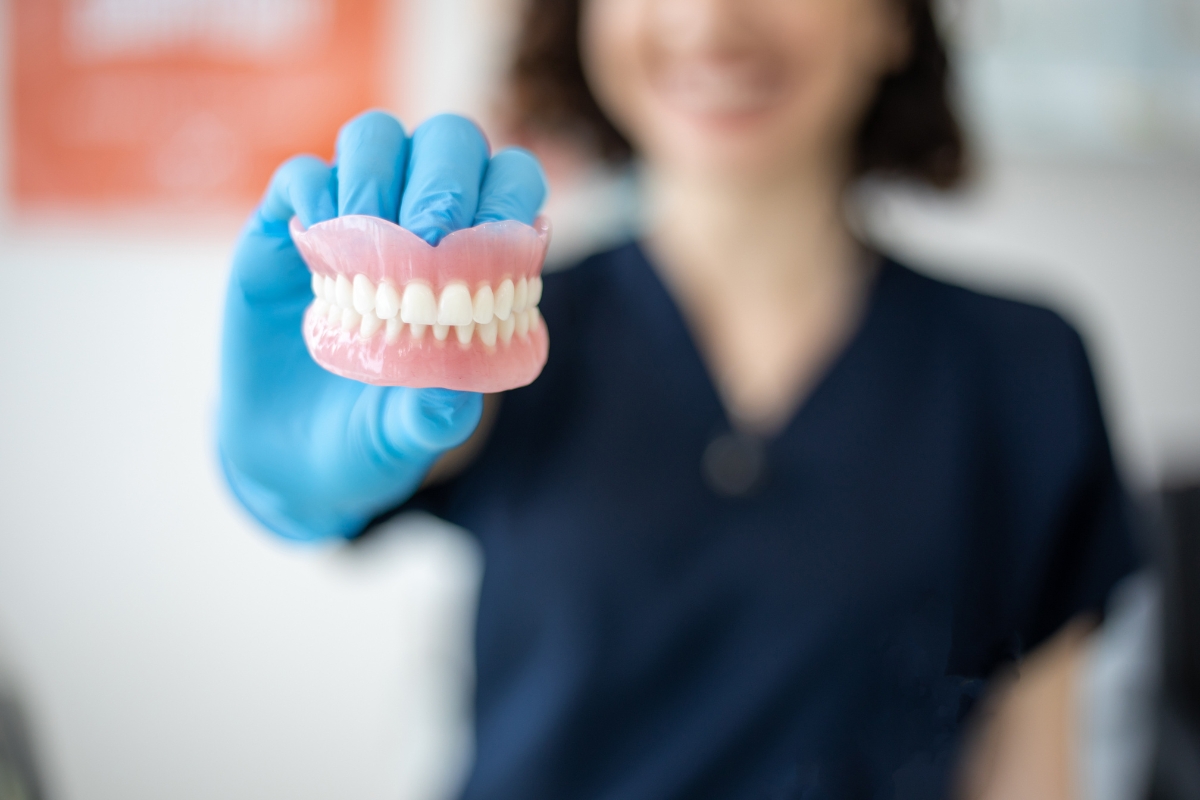
Dentures, meanwhile, sometimes feel awkward, especially during the initial period. They also require adjustment as the gums and jawbone evolve with time. Some individuals find dentures hard to wear, especially in situations where social interaction requires talking and/or eating, as dentures sometimes move around while speaking, often producing sounds. According to some people, dentures are difficult to clean, leading to infections and gum irritation.
Long-Term Care and Maintenance
Brushing and flossing are adequate for maintaining the health of endosseous implants. Additionally, implants do not require adhesives because they function like natural teeth, having been fully integrated into the jawbone. They also do not demand as much maintenance as dentures do over time. They need the same kind of maintenance as our own teeth.
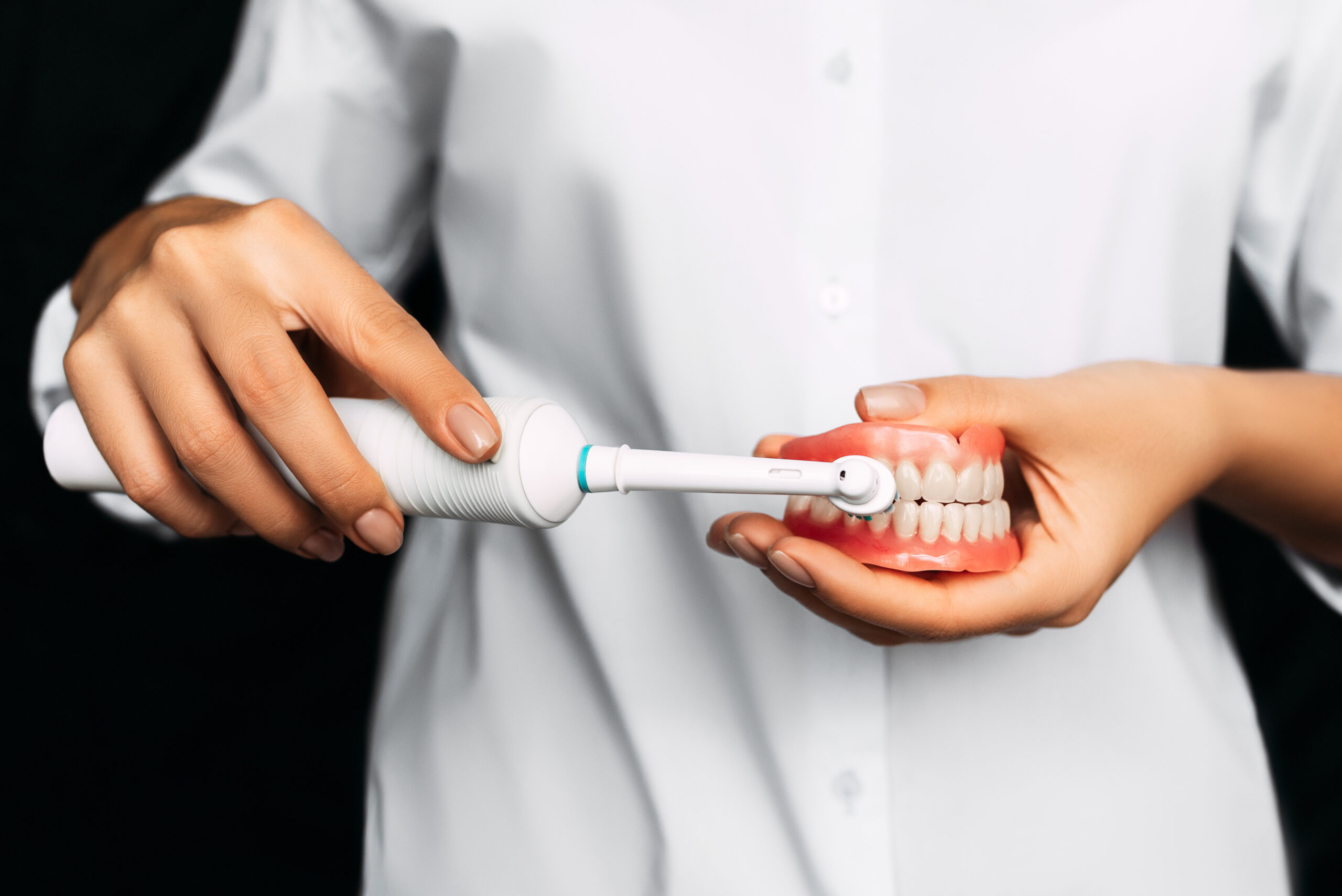
On the other hand, dentures require more maintenance. Dental patients have to remove them before going to bed. Furthermore, dentures should be adjusted periodically to ensure they fit comfortably. Sometimes, dentures need to be replaced after several years due to wear and tear. The materials used in dentures often deteriorate over time. When these materials come into contact with hot liquids, they tend to deteriorate easily. Dental patients should always be careful when consuming hot drinks after undergoing dental surgery.
How to Prevent Bone Loss with Dentures
A common question patients often ask is: Do Dentures Cause Bone Loss? Sometimes, dentures are not the direct cause of bone loss, but they cannot stop it either. The only way to prevent bone loss from dentures is to visit your dentist regularly and have your dentures adjusted as needed. But with endosseous implants, you’re able to stop bone loss, and even better, this stops bone loss and at the same time offers you proper oral functionality and aesthetics.
Why Choose Dental Implants Over Dentures?
Dental implants offer several advantages that make them the best tooth-replacement option. First, endosseous implants have a high success rate. Studies have proven that titanium implants have a nearly 98% success rate. Also, implants don’t need to be removed or changed frequently, unlike dentures. Additionally, implants provide a permanent, natural look, unlike dentures. Therefore, for those who wish to replace their missing teeth permanently, implants are the best option.
On the other hand, although dentures are sometimes budget-friendly, they are often more labor-intensive, more uncomfortable, and do not necessarily provide the same facial support as endosseous implants.
Take the Right Step toward a Confident Smile
Therefore, the final decision about the use of dental implants or dentures will depend on your individual needs and health objectives. Endosseous implants provide a long-lasting, natural-looking solution for those who need an alternative that preserves their jaw and facial structure.
If you’re looking to get dental implants in Orlando, we recommend visiting Dr. Young S. Lee and Elegantly Dental. Whether you’re interested in the benefits that implants provide or want to learn more about the possibilities that dentures have to offer, we are here to assist you every step of the way. If you are prepared to take the first step towards making the change and restoring your beautiful smile, do not hesitate to contact us today to schedule an appointment.
Questions People Ask About Dental Implants & Dentures
How long do dental implants last?
Dental implants often last a lifetime with proper care. The titanium posts are highly durable and integrate with your bone, making them a long-term solution for tooth replacement.
Do dentures cause bone loss?
Dentures don’t cause bone loss, but they don’t prevent it either. Over time, the lack of stimulation often leads to jawbone resorption. Dental implants generally help prevent this issue by stimulating the bone.
What are the benefits of veneers?
Veneers enhance the appearance of your smile by covering stains, chips, and gaps. They provide a natural look and are a popular choice in cosmetic dentistry for a smile makeover.
How does dry socket prevention work?
Dry socket prevention involves avoiding smoking, using straws, and keeping the extraction site clean. These steps help reduce the risk of complications after tooth extraction.
What’s the difference between dentures and dental implants?
Dental implants are permanent and integrate with the jawbone, preventing bone loss. Dentures are removable and sometimes require more maintenance and adjustments. Dental implants provide a more natural and lasting solution for missing teeth.

New Patients Welcome!
Optimal oral health starts with a customized treatment plan. Begin your treatment by scheduling a consultation today.