We accept Medicare

Do Dental Implants Hurt? Dr. Young S. Lee Explained

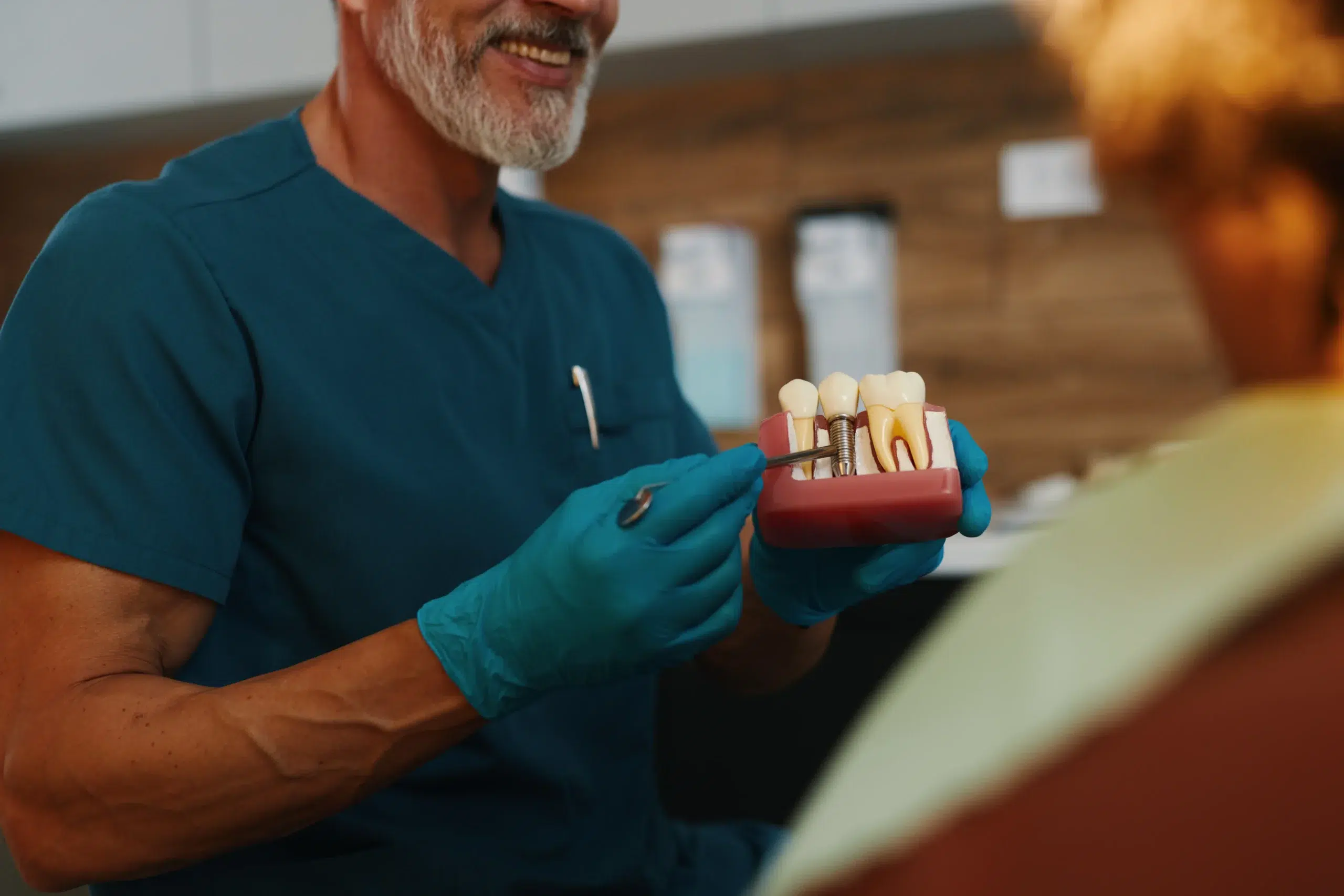
Let’s address what you’re really here to find out: yes, dental implants involve some discomfort, but it’s probably not what you’re imagining. Overall, most patients experience pressure rather than sharp pain during surgery; recovery (with proper care) should be manageable. If the reason you have delayed getting this treatment has been due to pain, understanding what dental implants are really like will allow you to move forward confidently.
What Happens During the Procedure
A titanium implant post is surgically placed inside the jawbone (where the missing tooth was). The area being treated will be completely numbed with a local anesthetic before the procedure. You may feel pressure and possibly some pushing during the procedure; however, the nerve endings in the area being treated will not send pain signals during surgery.
If you want to avoid the psychological effects of anxiety while receiving treatment, there are sedation options available for you to consider (IV or oral). Both IV sedation and oral sedation help reduce conscious awareness of what is going on, while oral sedation keeps you aware. Regardless of which one you choose, these will help Dr. Young S. Lee complete your procedure more efficiently when you are most relaxed.
Before your dental implants are placed, virtual 3D CT scans (CBCT) will be taken of your dental structures to plan your surgery accurately. The CBCT shows exactly where your blood vessels and nerves are located, greatly reducing the risk during surgery. The placement of your dental implants is completed using guided digital impressions, which provide much greater accuracy than traditional surgical methods.
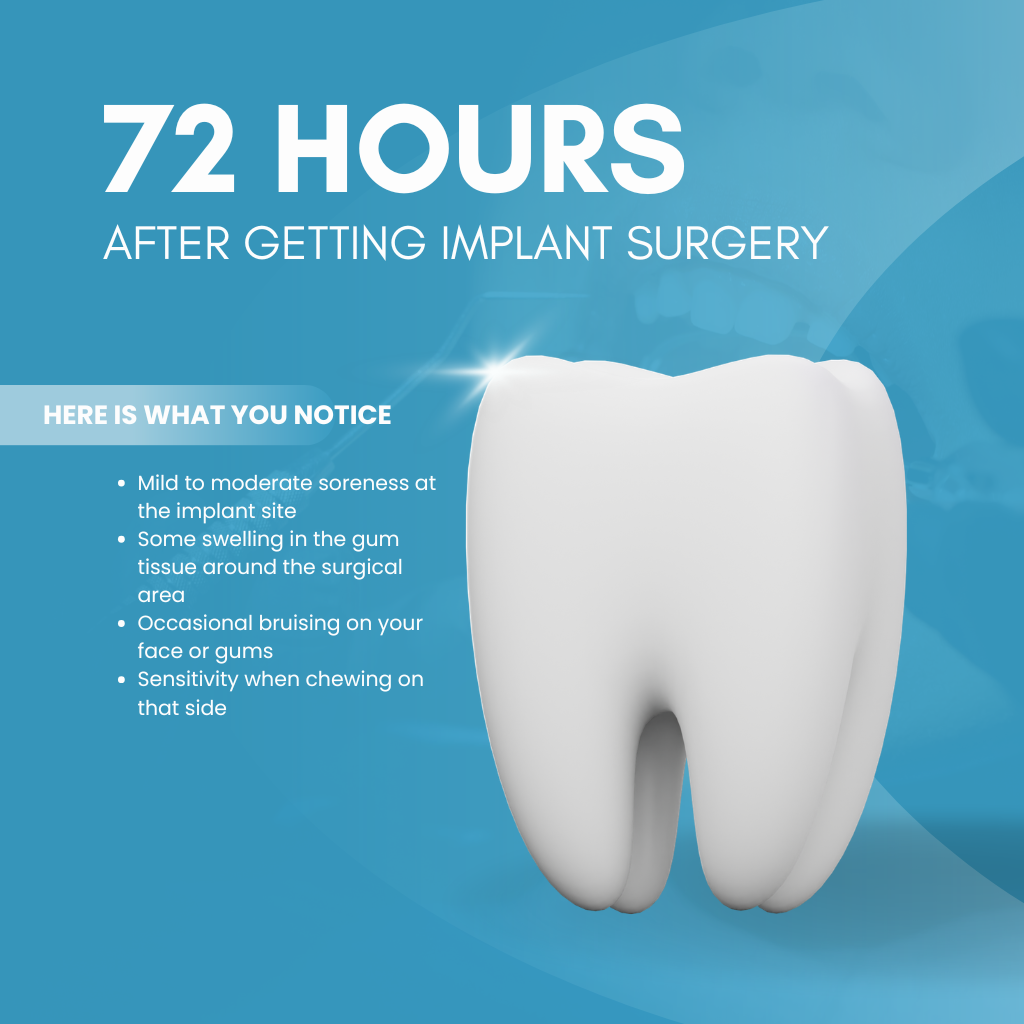
What Happens to You for 72 Hours after Getting Implant Surgery
Here is what most people notice:
- Mild to moderate soreness at the implant site
- Some swelling in the gum tissue around the surgical area
- Occasional bruising on your face or gums
- Sensitivity when chewing on that side
Your discomfort peaks at approximately 24-48 hours after the procedure and then begins to improve. Most people who receive dental implants in Ocoee can return to work the day after surgery or within 2 days. You will not feel incapacitated; you will only feel slightly inconvenienced, as you might after a tooth is pulled.
Most people use ibuprofen for pain management, but if you are unable to take anti-inflammatories, you may also use acetaminophen instead. Some dentists also prescribe antibiotics to prevent infection at the implant site; however, this is considered rare. Ice packs can be applied during the first 24 hours after surgery to help reduce swelling and inflammation.
Different Procedures, Different Pain Levels
Standard Implant Placement
If you have sufficient bone density and healthy gum tissue, the procedure is straightforward. One implant typically causes less discomfort than multiple implants placed in the same session.
Bone Grafting
If your jawbone does not have enough width or height, you will need bone grafts before implant placement. This will add 3 to 6 months to the bone graft’s healing time before placement. Although the grafting process involves temporary discomfort, it is tolerable with medication.
Immediate Implant
Some people get an implant right after tooth extraction in the same appointment. Recovery combines both procedures, so expect slightly more swelling initially.
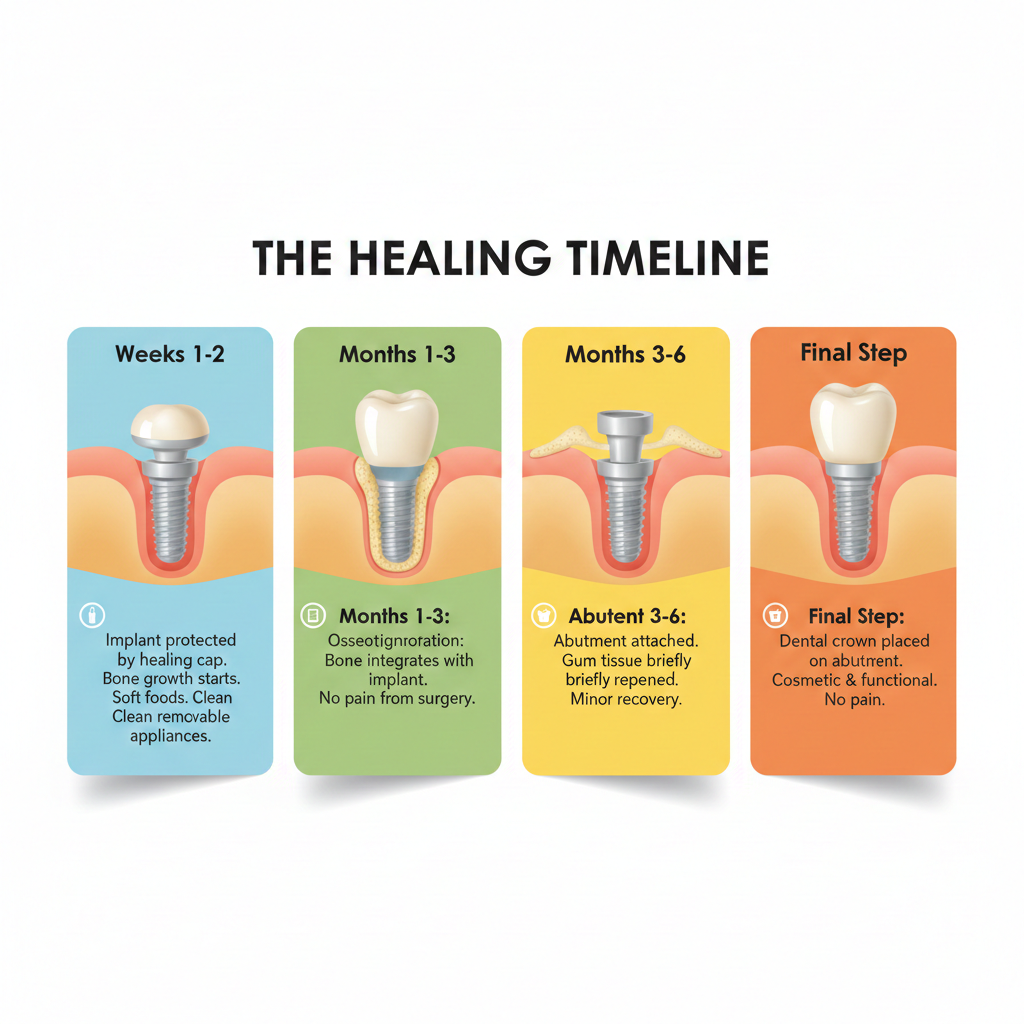
The Healing Timeline
Weeks 1-2: An implant healing cap protects the implant during bone growth. Some tenderness is expected; however, one can generally continue with daily activities. It is recommended that soft foods be eaten to help prevent injury to the implant area during brushing. While your implant heals, it’s important to keep any removable appliances and aligners free of bacteria — learn how to clean your Invisalign trays to reduce infection risk and keep the implant site healthy.
Months 1- 3: In the next several weeks, osseointegration occurs, whereby one’s bone is integrated with the titanium implant. You will not feel this process; pain from the surgery should be eliminated by the end of this period.
Months 3-6: The abutment is attached after osseointegration is complete. The attachment process is relatively simple and involves briefly reopening the gum tissue. Some recovery is needed, but it is nowhere close to the recovery required when the implant is placed.
Final Step: The final step in the dental implant restoration process is placing the dental crown on the abutment. The crown insertion is both cosmetic and functional, with no associated pain.
What Causes Post-Surgical Pain?
It is helpful to understand potential sources of post-surgical pain when managing expectations about the healing process.
The majority of post-surgical discomfort resulted from the surgical trauma to the soft tissues around the implant; it is not an indication that the implant is painful. The initial stages of healing can include inflammation, which is protective (not problematic).
In addition, some nerve tissue near the surgical site may experience temporary irritation. Surgical trauma can be avoided through proper surgical planning and the use of digital imaging; however, it is normal for nerves to retain some degree of sensitivity during the healing process.
The risk of a sudden increase in post-surgical pain is due to the possibility of infection; signs of infection may include persistent throbbing pain, bad taste, and fever. This is uncommon when you follow post-op instructions.
Managing Discomfort Effectively
Immediate Post-Op (Day 1-3):
- Take prescription or over-the-counter medications before your anesthesia wears off.
- Apply ice for 15-minute intervals to help reduce pain and swelling.
- Sleep with your head raised to decrease swelling.
- Avoid hot drinks, alcohol, and smoking.
The First Week:
- Gently rinse with warm salt water after 24 hours
- Eat soft, healthy foods such as smoothies, yogurt, scrambled eggs, or mashed potatoes.
- Continue taking any prescribed or recommended medications.
- Do not skip your follow-up appointments.
Long-Term:
- Brush carefully around the healing areas and avoid hard and crunchy foods until you are completely healed.
- Report any unusual or unexpected signs that arise.
The Reality Check
So do dental implants hurt? The procedure itself isn’t because you’re numbed. Is there discomfort afterward? Yes, but it’s temporary and controllable. Most patients say the anticipation was worse than the experience.
Fortunately, procedures today cause much less trauma than they did 10 or even 5 years ago. In addition, the healing process after having a dental implant placed follows a predictable timeline, and complications are rare when you choose a quality dentist for your dental implants in Ocoee. Any minimal pain experienced throughout the healing and recovery process is well worth the long-term benefits of permanent replacement teeth that function just like your natural teeth.
If you are considering having dental implants in Ocoee, knowing what level of pain or discomfort to expect after the procedure will help you be better prepared, mentally and physically.
Get Ready to Enhance Your Smile
Most people are surprised by how well their bodies adapt to dental implants during the healing process. The use of cutting-edge technology and a variety of effective pain management methods are priorities us at Elegantly Dental. Many people have found that fear of pain has kept them from receiving the smile they deserve.
Do you want to explore your options? Schedule a consultation so we can explain everything that will happen during your procedure and how we will help you stay comfortable throughout. Call us or visit us in Ocoee to begin this process.
Common Questions People Ask
Do dental implants hurt after surgery?
Most discomfort resolves within 3-5 days. You might have minor sensitivity for up to two weeks, but severe pain shouldn’t last beyond the first few days. If it does, contact your dentist.
Can I go to work the day after getting dental implants?
Many patients return to work the next day, especially if their job doesn’t involve physical labor. You might have some facial swelling, so consider your comfort level and appearance requirements.
What pain medication is best after implant surgery?
Ibuprofen (600-800mg) works well for most people because it reduces both pain and inflammation. Your dentist might prescribe stronger medication if needed, but over-the-counter options are usually sufficient.
Is dental implant surgery more painful than tooth extraction?
They’re comparable, though many patients report implants cause slightly less discomfort because the procedure is more controlled. Much depends on the complexity of your specific case.
New Patients Welcome!
Optimal oral health starts with a customized treatment plan. Begin your treatment by scheduling a consultation today.