We accept Medicare

Dr. Young S. Lee Explains: Do Dentures Cause Bone Loss?
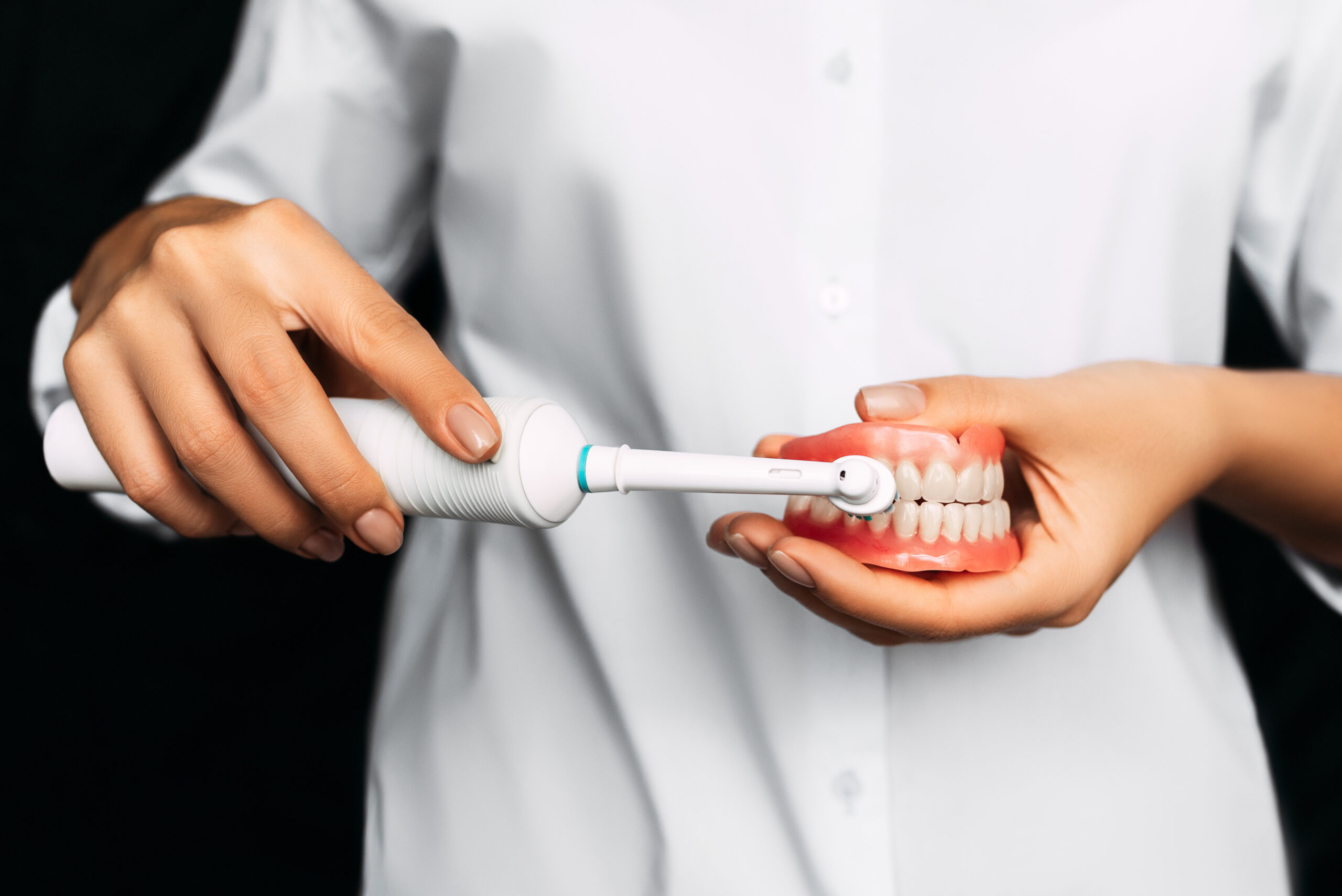
Have you ever had tooth loss due to dental health problems, such as cavities or injury? The most common choices available for replacing your lost teeth are dentures or implants. At times, dental patients shy away from dentures due to worries over the long-term impact they will have on their dental health. A question that often comes to mind for patients is: Do dentures cause bone loss? In this blog, you will find information from Dr. Young S. Lee, a general dentist in Ocoee. The topic of discussion includes the link between dentures and bone loss.
It is important to understand how the body responds to tooth loss. When one realizes they have lost a tooth, it is obvious that the bone beneath it begins to shrink due to a lack of stimulation. This process is called resorption of the alveolar ridge. The process of bone resorption occurs because of the lack of stimulation that the jawbone usually receives from the process of chewing. When there is no tooth to receive this stimulation, the bone begins to degrade over time.
What Happens to the Bone After Tooth Loss?
When one loses teeth, resorption of the alveolar ridge starts. This means that the bone in the jaw begins to resorb. This process occurs because the forces acting on the jawbone during chewing are usually transmitted to the teeth. When the teeth are lost, the bone starts to resorb. This weakens the jaw’s structure. A number of people have been known to suffer from facial collapse. This is a condition in which the face loses its natural appearance. The facial collapse results from the resorption of the jawbone.
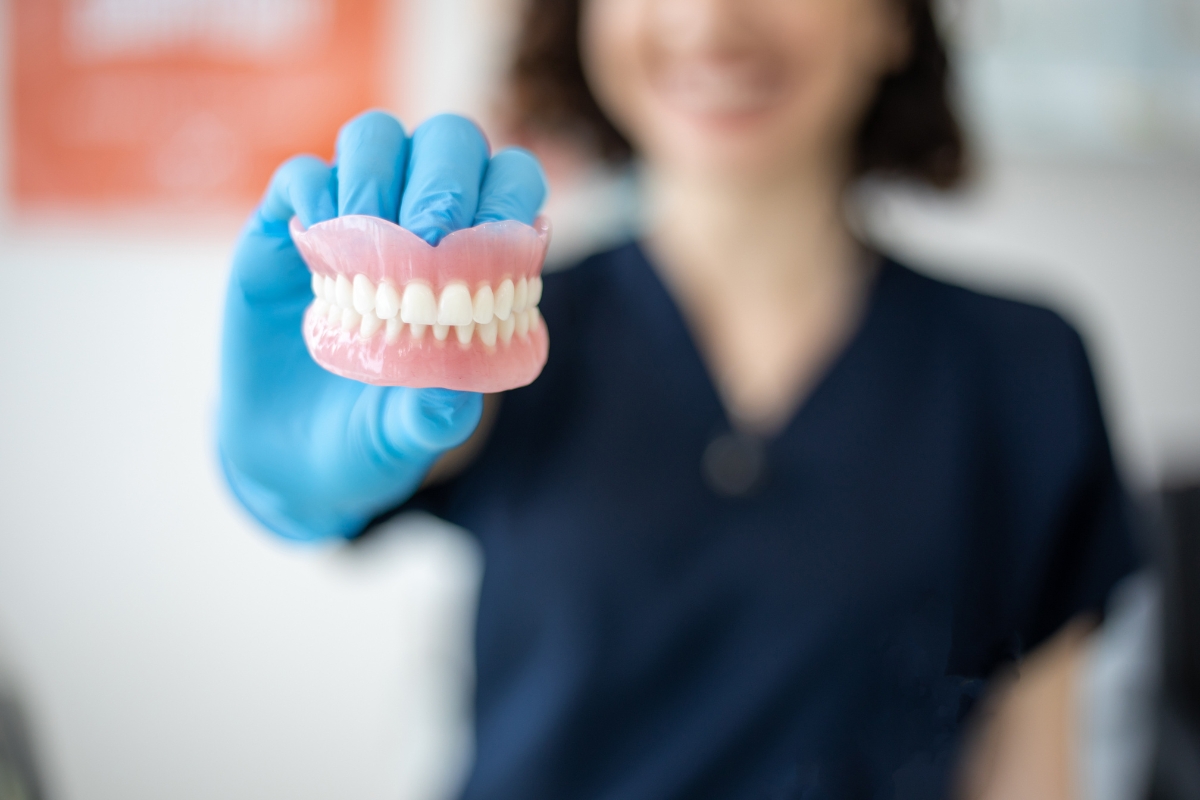
One of the advantages of dentures is that replacement teeth are provided; therefore, the appearance of full teeth is achieved. However, while dentures restore the patient’s appearance, they do not prevent bone resorption. Unlike implants, which work like natural teeth and stimulate the bone through osseointegration, dentures do not provide sufficient stimulation.
How Dentures Contribute to Bone Loss
Even while functioning properly, there is less stimulation of the jawbone compared to having normal teeth. Denture stabilization becomes a concern if dentures are to be worn in the future. Even though dentures rest on the gums rather than fusing into the bone and thereby providing stimulation to the bone, they fail to provide the necessary stimulation to prevent resorption. Therefore, if dentures are to be your best course of action, there is likely to be bone resorption, leading to a reduction in the jawbone mass.
As the resorption of bone proceeds, you will have to go to your dentist more often to get your dentures relined to make sure they continue to fit properly. Another effect is pressure atrophy, in which function is impaired because the bone cannot retain the dentures properly.
The Importance of Proper Denture Fit
However, if dentures remain the only option, it is vital to ensure they fit properly, as otherwise, problems such as irritation, discomfort, and even increased rates of bone loss often result. Visiting your general dentist in Ocoee regularly to make adjustments to your dentures is vital to maintaining the best quality of life.
The Role of Dental Implants in the Prevention of Bone Loss
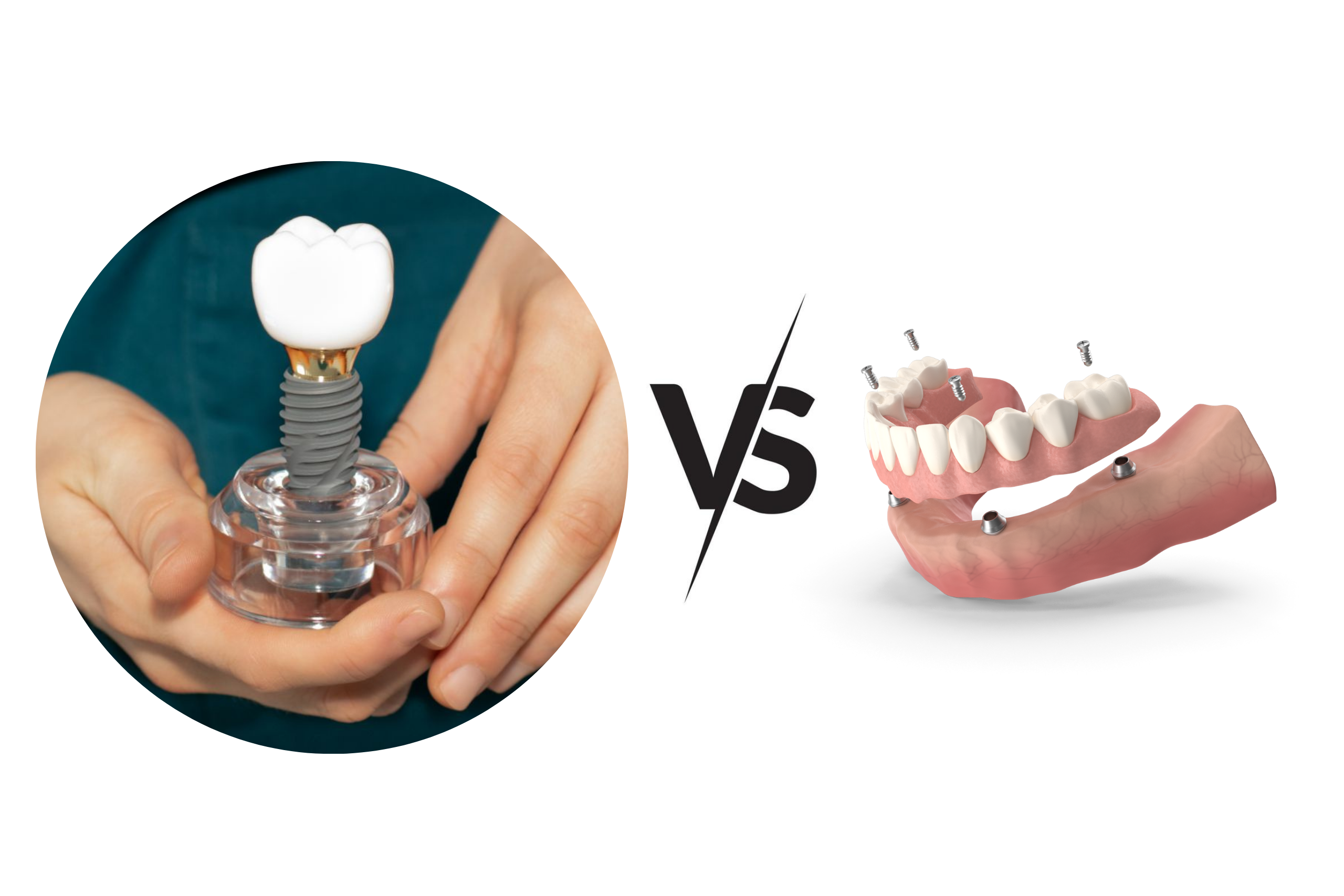
On the contrary, dental implants are far more permanent and stable than other tooth replacement options. Also, compared with dentures, dental implants mimic the structure and function of a tooth, ensuring continuous stimulation of the jawbone. With the placement of a dental implant, a process known as osseointegration occurs. During this, the jawbone heals and grows around the implant, preventing bone loss as it often happens with dentures.
When one compares dentures and implants for bone loss, one realizes that there are many advantages to choosing an implant procedure over dentures. Another good option is an implant-supported overdenture. It possesses the benefits of both dentures and implants in one. It ensures greater stability in the mouth while preventing further bone loss. This is a combination of dentures and implants. It will help support the bone while also offering the benefits of dentures.
How to Prevent Bone Loss After Tooth Extraction
If you recently had a tooth extracted, you might be concerned about how to prevent further bone loss. Although it is normal for the bone to begin resorbing after tooth loss, there are many steps one should take to maintain oral health. For those who are missing teeth, dental implants should be considered as soon as possible to help prevent bone loss. On the other hand, bone grafting is also another procedure that should be considered by those who have already suffered from extreme loss of bone.
Consider Your Options for Long-Term Oral Health
Dentures, while serving their purpose to some extent, do not offer the same benefits as dental implants for long-term use. In case of any bone resorption, denture stabilization, or jawbone health concerns, you should visit a general dentist in Ocoee to get your issue addressed.
Whether you opt for dental implants or overdentures, it is essential that you make your choice based on your health. Elegantly Dental is here to help you maintain your beautiful smile and prevent bone loss. Call us today to schedule a consultation and discuss the best options for you.
Questions People Ask About Dentures & Bone Loss
Do dentures cause bone loss?
While dentures restore the appearance of teeth, they don’t prevent bone loss. Unlike implants, dentures don’t stimulate the jawbone, which often leads to bone resorption and changes in facial structure over time.
How do I prevent bone loss after tooth extraction?
Dental implants are the best way to prevent bone loss after a tooth extraction. They provide necessary stimulation to the jawbone, promoting bone health and preventing bone resorption.
What is bone resorption?
Bone resorption occurs when the jawbone shrinks due to a lack of stimulation, typically from missing teeth. Over time, this leads to changes in facial appearance and difficulty fitting dentures properly.
Are dental implants better than dentures for preventing bone loss?
Yes, dental implants prevent bone loss by integrating with the jawbone and providing natural stimulation. Unlike dentures, which don’t promote bone health, implants help preserve jawbone density and prevent bone resorption.
Can implant-supported overdentures help with bone loss?
Yes, implant-supported overdentures combine the benefits of both implants and dentures. The implants provide stability and stimulate the jawbone, reducing the risk of bone resorption and improving the fit of the dentures.

New Patients Welcome!
Optimal oral health starts with a customized treatment plan. Begin your treatment by scheduling a consultation today.