We accept Medicare
The Oral-Systemic Link: How Gum Health Affects Heart Disease

When we think about heart disease, often lifestyle habits, diet, exercise, and smoking come to mind. However, you may not know that your oral health also has a significant impact on your heart health. The association between gum health and heart disease is gaining recognition in the medical and dental communities. This blog discusses how poor oral hygiene can lead to heart disease, which is why it is very important to maintain healthy gums.
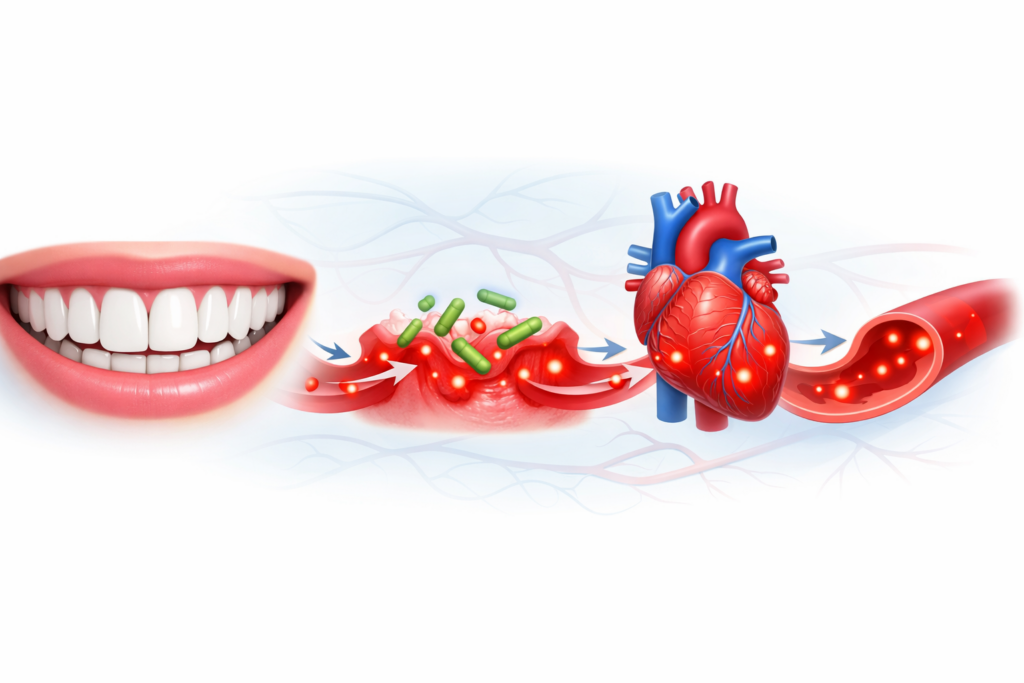
Periodontal disease (gum disease) affects more than just your teeth and gums. The bacteria living in inflamed gums can then enter the bloodstream, triggering inflammation throughout your body. That can raise your chances of having cardiovascular issues. Fortunately, with the right treatment from a qualified Ocoee dentist, you can lower your risk and improve your health in the long run.
Link Between Gum Health and Heart Disease
Some studies have also linked heart disease to gum disease. How does that connection happen? And if your gums become infected, they can let bacteria into your bloodstream. These bacteria may trigger inflammation in blood vessels, which can lead to atherosclerosis, the hardening and narrowing of arteries. This can result in heart attacks, strokes, and other heart-related diseases.
Preventing these problems relies on good oral hygiene: brushing, flossing, and regular dental checkups. If you have gum disease, you might inadvertently be raising your risk for heart-related issues. Thus, making sure to see your dentist in Ocoee regularly can help prevent gum disease and protect your heart.
How Gum Disease is Related to Inflammation
Gum disease isn’t just about the appearance of your smile; it can send inflammation throughout your body that affects your overall health, even your heart. Your gums become inflamed from bacteria where you brush improperly and are not cleaned up, resulting in chronic inflammation that enters your bloodstream, causing serious illnesses like heart disease. Here’s how gum disease promotes systemic inflammation:
- Shifting bacteria from the gums into the bloodstream: Bacteria responsible for gum disease can enter the bloodstream through infected gum tissue, causing inflammation in other parts of the body. such as your arteries.
- Increased C-Reactive Protein (CRP) Levels: There have been links between gum disease and higher CRP levels, a marker of inflammation that predicts coronary heart disease and stroke.
- Worsened Atherosclerosis: Long-term gum inflammation may accelerate atherosclerosis (hardening of the arteries), increasing the risk of heart attacks.
- Heightened Risk for Blood Clots: The inflammation created by gum disease also encourages blood clots to form, which could contribute to deadly cardiovascular incidents such as heart attacks and strokes.
Keeping your gums healthy with regular dental checkups and good oral hygiene helps lower this inflammation, protecting both your heart and your smile.
Impact of an Abscessed Tooth on the Heart
An abscessed tooth can be a very serious problem that, if neglected, can lead to infection and gum disease. This tooth infection may also spread to nearby tissues and even into your bloodstream, putting you at higher risk for heart complications. Some symptoms you might have an abscessed tooth include:
- Intermittent sharp tooth pain.
- Swelling in the gums next to the impacted tooth.
- Pain when eating hot or cold foods and drinks.
- One of the new sensitivities to touch, fever, or general malaise.
If you notice any of these signs, it is crucial to visit an Ocoee dentist immediately. Getting an abscessed tooth treated early can prevent it from becoming a more serious condition that could affect your overall health, including your heart.
Dental Sealants or Fluoride: Which is Better for Your Heart Health?
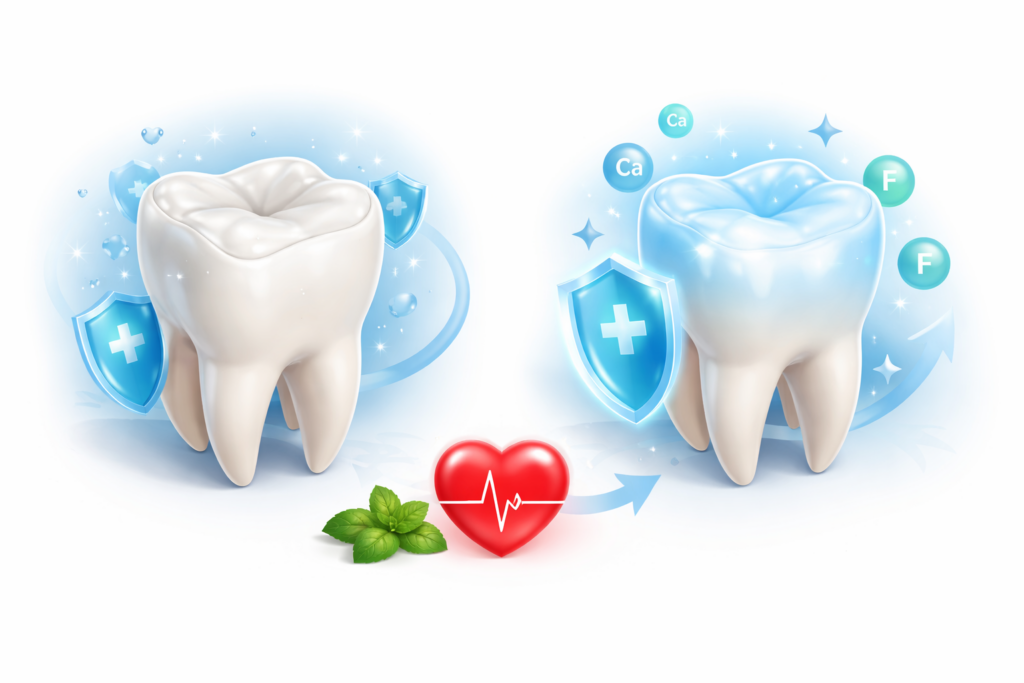
Both dental sealants and fluoride are meant to protect your teeth, but for different things. Dental sealants are thin coats applied over the surfaces of molars to shield them against cavities and decay. Fluoride, in contrast, hardens the enamel on your teeth and prevents cavities.
Patients commonly compare dental sealants vs. fluoride for oral care. While they don’t treat gum disease, they are integral to a healthy mouth. And as we’ve seen, a healthy mouth is key to having a healthy heart. Preventing decay and cavities in your teeth can help you avoid having to undergo invasive dental procedures. This may increase the risk of gum infections, which can lead to heart disease.
Full Mouth Reconstruction for Seniors in Ocoee
In Ocoee, full mouth reconstruction may be a treatment that senior members of your family require to restore not only appearance but also function and usability. This complete procedure can involve repairing or replacing infected teeth to address the root cause, i.e., gum disease. Full mouth reconstruction also results in a more favorable, balanced occlusion, allowing patients to maintain better oral hygiene and prevent problems such as cardiac disease.
The risk of gum disease increases with age, making it important for seniors to have a dentist who understands their unique needs. If you require restorative dental treatment, consult your dentist in Ocoee for full-mouth reconstruction for seniors. This treatment will not only give you a beautiful, functional smile but also improve your gum health, safeguarding your heart.
Oral Hygiene Tips for a Healthier Heart
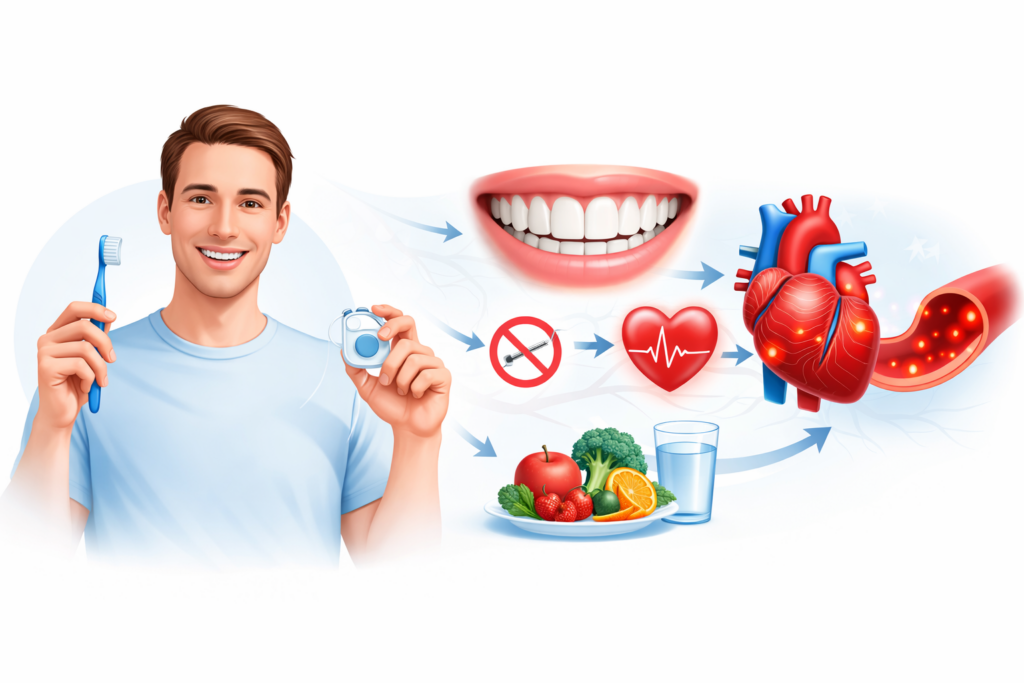
What can you do to keep your mouth healthy and minimize your risk of heart disease? The following tips will help:
- Brush and Floss Regularly: Brush your teeth twice daily and floss once daily to help eradicate plaque; gum disease can also be prevented.
- Visit Your Dentist: Regular checkups allow early signs of gum disease or tooth problems to be addressed before they become more serious. If you’re at risk of heart disease, this is even more important.
- Stop Smoking: Smoking is a significant factor in both gum disease and heart disease. Not only can quitting smoking improve your oral health, but it also helps with heart health, as well.
- Foster a Heart-Smart Diet: A diet rich in fruits, vegetables, and whole grains can benefit your gums and heart.
- Stay Hydrated: Water is important for good oral health as it helps wash away any food particles and bacteria.
Healthy Gums Equal a Healthy Heart
As we’ve seen, the link between your gums and your heart is real. And gum disease can greatly increase the danger of cardiovascular issues, so oral hygiene is a concern. Your Ocoee dentist can help keep your gums healthy and lower your risk of heart disease by visiting them regularly.
Whether it’s gum disease, an abscessed tooth, or a general check-up that you’re facing signs of, don’t put off getting help. Contact Elegantly Dental today to schedule an appointment and learn just how easy it can be to have a healthier smile and heart!
Questions People Ask About Gum & Heart Health
Can gum disease really affect my heart?
Yes, gum disease can contribute to heart disease by allowing harmful bacteria to enter the bloodstream, causing inflammation in blood vessels, and increasing the risk of heart conditions.
How can I prevent gum disease from affecting my heart?
Brushing and flossing regularly, visiting your dentist for routine checkups, and avoiding smoking can help prevent gum disease and reduce the risk of heart disease.
What are the symptoms of an abscessed tooth?
Common symptoms of an abscessed tooth include severe tooth pain, gum swelling, sensitivity to hot or cold, and fever. Seek dental care immediately to avoid complications.
Are dental sealants or fluoride treatments better for heart health?
Both dental sealants and fluoride protect teeth from decay, but maintaining overall oral health through these treatments can prevent gum disease, which is linked to heart disease.
How does full mouth reconstruction help with heart health?
Full mouth reconstruction restores teeth and gums, improving oral health and preventing gum disease. This reduces the risk of complications that can lead to heart problems.
How often should I see my dentist to prevent heart disease?
Regular checkups every six months are recommended to monitor gum health and catch early signs of issues that could impact your heart and overall health.



New Patients Welcome!
Optimal oral health starts with a customized treatment plan. Begin your treatment by scheduling a consultation today.