We accept Medicare


Invisalign Aligner Schedule in Ocoee, FL

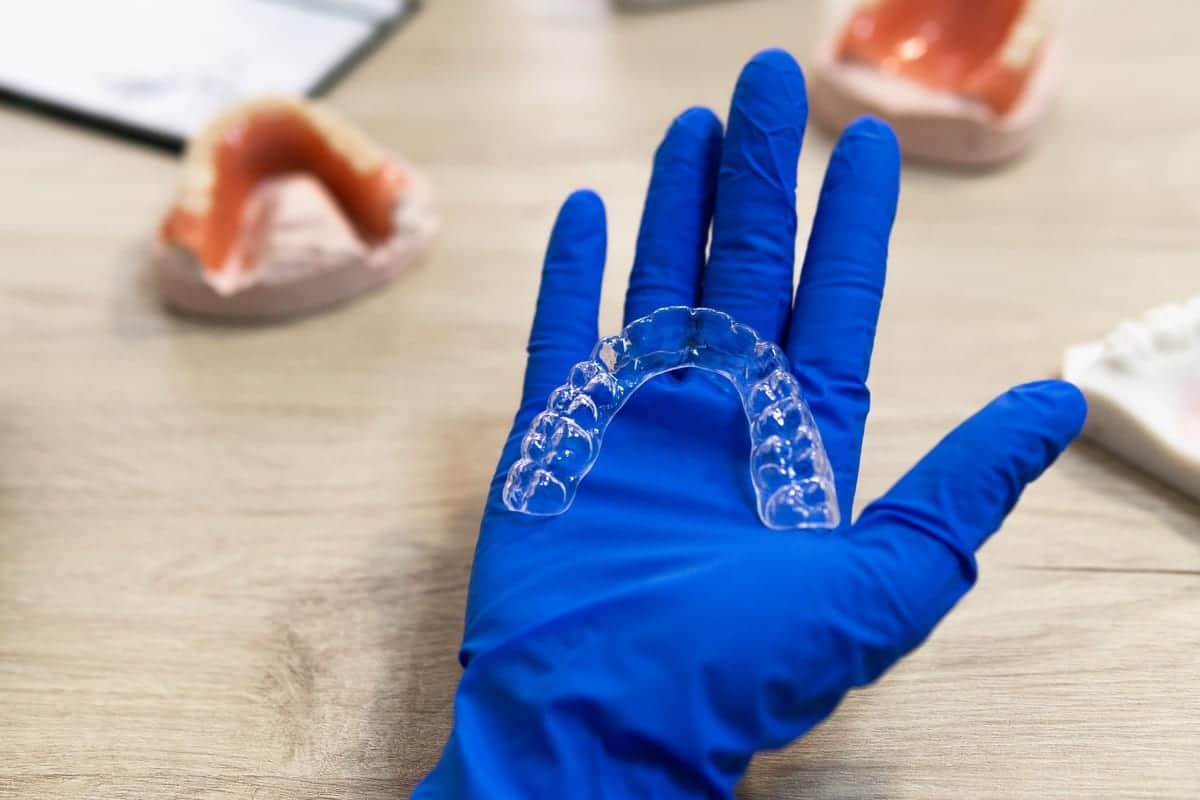
If you are starting Invisalign near Paradise Heights, you likely have one big question. Why do the aligners change every two weeks? Understanding why your Invisalign aligners change every two weeks in Paradise Heights helps you stay committed to your treatment. The answer involves biology, engineering, and a carefully designed progression plan. Dr. Young S. Lee at Elegantly Dental of Ocoee is here to break it all down for you.
How Invisalign Actually Moves Your Teeth
Invisalign works by applying consistent, gentle pressure to your teeth. Each aligner is custom-shaped to be slightly different from your current tooth position. That tiny difference creates controlled force that guides teeth in a specific direction. Over time, those small adjustments add up to a dramatically straighter smile.
Your teeth move because of a process called bone remodeling. When pressure is applied to a tooth, the surrounding bone breaks down on one side. New bone then forms on the other side to support the tooth in its new position. This biological process is what makes orthodontic treatment possible.
Each aligner in your series moves teeth just a fraction of a millimeter. The movements are small on purpose. Larger forces would cause pain and could even damage your teeth or roots. Invisalign is designed to work with your body, not against it.
Why Your Invisalign Aligners Change Every Two Weeks in Paradise Heights
The two-week schedule is not arbitrary. It is based on the biology of bone remodeling. Most patients experience enough bone turnover within 10 to 14 days for the next aligner stage to begin. Switching too early can cause pain and ineffective movement. Waiting too long can slow your overall progress.
Your Invisalign provider programs each aligner with specific tooth movements. Once those movements are complete, the aligner has done its job. Wearing it longer than needed does not produce additional benefit. Moving to the next aligner keeps the process moving forward efficiently.
Some patients with faster bone metabolism can switch every seven to ten days. Dr. Lee evaluates each patient individually to determine the right schedule. Paradise Heights patients benefit from personalized guidance throughout every stage of their treatment. Your schedule may differ slightly from someone else’s, and that is perfectly normal.
- Two-week intervals align with natural bone remodeling cycles
- Each aligner completes a specific, programmed movement
- Switching on schedule prevents treatment delays
- Your dentist may adjust the timeline based on your response
- Faster or slower switching can both impact final results
What Attachments Do and Why They Matter
Many Invisalign patients are surprised to learn about attachments. These are small tooth-colored dots bonded to specific teeth. They act like handles that help the aligner grip and move teeth more precisely. Without them, certain movements would be difficult or impossible to achieve.
Attachments are especially important for rotations and vertical movements. A flat aligner surface has limited ability to rotate a tooth on its axis. A strategically placed attachment gives the aligner something to push against. The result is far more controlled and accurate tooth movement.
Not every patient needs attachments. Simpler cases with minor crowding may not require them at all. More complex cases, however, benefit greatly from their use. Dr. Lee will let you know from the start whether attachments are part of your treatment plan.
Attachments are placed at the beginning of treatment and removed when you finish. The process is quick and painless. They are designed to match your tooth color closely, so they are barely noticeable. Most patients forget they are even there after the first few days.
Understanding Refinements and What Happens at the End
Refinements are additional aligner sets created after your initial series is complete. They address any teeth that did not move exactly as planned. Think of them as fine-tuning the final result. Refinements are a completely normal part of the Invisalign process.
Teeth do not always respond exactly as predicted by the digital plan. Biology is never perfectly predictable. That is why Invisalign builds in the possibility of refinements. Your overall treatment length may extend slightly, but the outcome improves significantly.
During a refinement, Dr. Lee takes new scans of your teeth. These scans are sent to Invisalign to create a fresh series of aligners. The new aligners pick up exactly where the previous ones left off. Patients are often surprised at how few additional aligners refinements require.
- Refinements correct teeth that did not move as expected
- New digital scans are taken before creating refinement aligners
- Most refinements involve only a few additional trays
- They are included in many standard Invisalign treatment agreements
- Refinements are a sign of thorough, quality orthodontic care
Tips for Staying on Track with Your Aligner Schedule
Consistency is the most important factor in Invisalign success. You should wear your aligners for 20 to 22 hours every day. Removing them for meals and cleaning is expected, but extended removal slows progress. Every hour your aligners are out of your mouth is an hour they are not working.
Keep track of when you switch aligners using a simple calendar or phone reminder. Write the switch dates down when you first receive your aligner sets. This helps you stay on schedule without guessing. Many patients find labeling each bag with its switch date very helpful.
Invisalign pairs beautifully with other Cosmetic Dentistry services. Teeth whitening, for example, is often done after Invisalign treatment is complete. That way, your newly aligned teeth get the full whitening effect. Dr. Lee can walk you through the best sequence of treatments for your smile goals.
In rare cases, a patient may experience tooth pain that requires attention during Invisalign treatment. Sometimes this is unrelated to the aligners. If you experience persistent discomfort, it is important to get evaluated. In some situations, a condition like an infected tooth may require a Root Canal before orthodontic treatment can continue safely.
What to Expect at Your Invisalign Check-In Visits
Invisalign requires fewer in-office visits than traditional braces. However, regular check-ins with Dr. Lee remain very important. These appointments confirm that your teeth are tracking correctly. They also give you a chance to ask questions and address any concerns.
At each visit, Dr. Lee examines your current aligner fit. If your teeth are tracking well, you receive your next set of aligners. If there is any lag in movement, adjustments to your plan may be made. Catching tracking issues early prevents problems from compounding later.
Paradise Heights patients can expect a supportive and communicative experience at Elegantly Dental of Ocoee. The team monitors your progress closely from start to finish. You are never left wondering whether things are going according to plan. Open communication is a cornerstone of care at this practice.
Your smile transformation is a journey that takes planning, patience, and professional guidance. Dr. Young S. Lee and the Elegantly Dental team are proud to support every patient through that journey. If you are ready to start or have questions about your aligner schedule, do not wait. Book Now to schedule your appointment with our team.
Frequently Asked Questions
Can I switch my Invisalign aligners faster than every two weeks?
Some patients with faster bone metabolism can switch aligners every seven to ten days. However, this should only be done if your dentist approves it. Switching too early without guidance can disrupt the planned tooth movements. Always consult Dr. Lee before changing your aligner schedule.
What happens if I forget to wear my aligners for a day?
Missing a full day of wear can slow your progress slightly. It is best to resume wearing your current aligner immediately. Do not skip ahead to the next set after a missed day. If this happens frequently, discuss it with Dr. Lee so your plan can be adjusted if needed.
Do Invisalign attachments hurt?
Attachments are bonded to your teeth painlessly and quickly. You may feel slight pressure when the aligner snaps over them at first. This discomfort typically fades within a day or two. Most patients adapt to attachments very quickly and barely notice them.
How long does a full Invisalign treatment take for most patients?
Treatment length varies widely based on the complexity of the case. Mild cases may take as little as six months. More complex cases can take 18 months or longer. Dr. Lee provides a personalized timeline estimate during your initial consultation.
What is the difference between Invisalign and traditional braces for moving teeth?
Both Invisalign and traditional braces use controlled force to shift teeth through bone remodeling. Braces use brackets and wires, while Invisalign uses removable clear aligners. Invisalign offers aesthetic and hygiene advantages for many patients. Your dentist can help you determine which option best suits your needs and lifestyle.


New Patients Welcome!
Optimal oral health starts with a customized treatment plan. Begin your treatment by scheduling a consultation today.