We accept Medicare


Professional Teeth Cleaning in Ocoee, FL
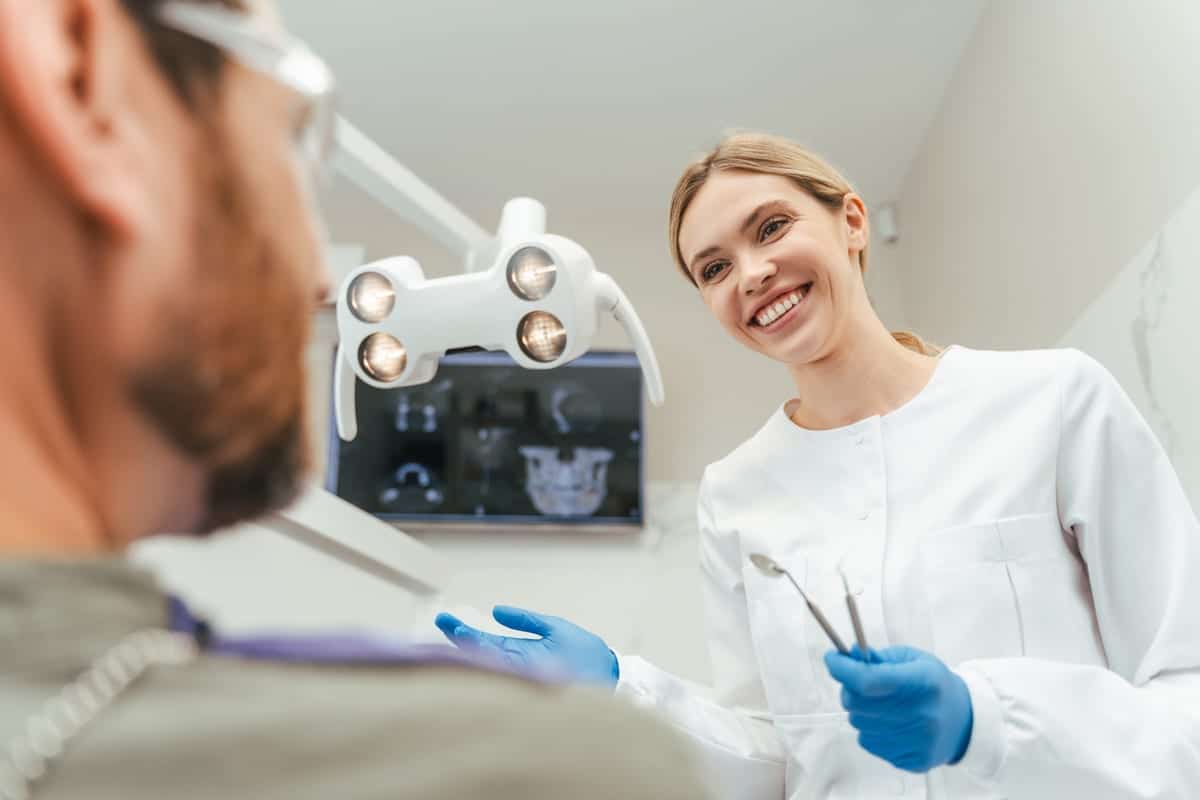
Many patients feel nervous before a dental cleaning. That nervousness often comes from not knowing what to expect. Understanding inside your professional cleaning — what each tool does and why in Ocoee — can make all the difference. At Elegantly Dental of Ocoee, Dr. Young S. Lee and his team believe informed patients are confident patients.
A professional cleaning is far more than a quick polish. Your hygienist uses several specialized tools at different stages. Each one serves a specific purpose for your oral health. Let’s walk through exactly what happens during your appointment.
Step One: The Initial Exam and Assessment in Ocoee
Before any tools touch your teeth, your hygienist examines your mouth. They check for visible signs of gum disease, decay, and inflammation. This assessment guides everything that follows during the appointment.
Your hygienist also reviews your dental history. They note any areas of concern from previous visits. This personalized approach ensures your cleaning is thorough and targeted.
A small mirror is the first tool you will see. It lets the hygienist view hard-to-see areas behind your teeth and along the gumline. Nothing about this step causes discomfort — it is simply observation.
Some patients are also screened for early signs of oral cancer at this stage. That quick look can catch issues before they become serious. It is one of the most important parts of your visit.
What Each Scaling Tool Does During Your Cleaning
Scaling is the process that removes tartar, also called calculus, from your teeth. Tartar is hardened plaque that brushing at home cannot remove. Your hygienist uses one of two types of scaling tools to address it.
The first is an ultrasonic scaler. It uses gentle vibrations and a water mist to loosen large deposits of tartar. Most patients find this tool less uncomfortable than they expected.
The second tool is a hand scaler, also called a curette. Your hygienist uses this to carefully scrape away smaller or stubborn deposits. They pay close attention to the gumline and spaces between teeth.
- Ultrasonic scaler: Removes heavy tartar buildup quickly using vibration
- Hand curette: Targets smaller deposits and cleans below the gumline
- Periodontal probe: Measures gum pocket depth to detect gum disease
- Mirror: Provides visibility in hard-to-reach areas
- Explorer hook: Identifies rough spots or early decay on tooth surfaces
The periodontal probe deserves special attention. It measures the depth of the pockets between your teeth and gums. Healthy pockets measure 1 to 3 millimeters. Deeper readings can signal early or advanced gum disease.
Polishing, Flossing, and Fluoride: The Final Steps Explained
After scaling, your hygienist polishes your teeth using a soft rubber cup. It spins against each tooth with a gritty paste called prophylaxis paste. This removes surface stains and leaves your enamel smooth.
Smooth enamel is harder for plaque to cling to. That means your freshly cleaned teeth stay cleaner longer after you leave. The polishing step benefits both appearance and long-term hygiene.
Professional flossing follows the polish. Your hygienist reaches areas your home flossing may miss. They also check for bleeding, which can indicate gum inflammation.
Many appointments end with a fluoride treatment. Fluoride strengthens enamel and helps prevent cavities between visits. It is especially beneficial for patients prone to decay or sensitivity.
- Scaling to remove tartar and plaque buildup
- Polishing to smooth enamel and remove surface stains
- Flossing to clean between teeth and check gum health
- Fluoride application to strengthen and protect enamel
- Final exam or X-rays if needed
Why Regular Cleanings Support Your Full Oral Health Plan
Professional cleanings do more than keep your smile bright. They help prevent gum disease, which is linked to serious health conditions. Heart disease, diabetes, and respiratory issues all have connections to poor oral health.
Cleanings also give Dr. Lee an opportunity to catch problems early. A small cavity caught at a cleaning is far easier to treat than an advanced one. Early detection saves both discomfort and time.
Patients interested in Cosmetic Dentistry services often start with a professional cleaning. A clean, healthy foundation makes treatments like veneers and whitening more effective. Your hygienist and dentist work together to plan the best path forward for your smile.
If your exam reveals a problem that needs further treatment, your care team will explain your options clearly. Sometimes a tooth may need a Root Canal to address deep infection. Your cleaning appointment is often where these needs are first identified.
What to Expect After Your Cleaning at Elegantly Dental of Ocoee
Most patients leave their cleaning feeling refreshed and confident. Your teeth may feel slightly sensitive for a few hours if you had significant buildup removed. This is completely normal and typically resolves quickly.
Your hygienist will offer personalized tips before you leave. These may include brushing technique advice, flossing guidance, or product recommendations. This guidance is tailored to what they observed during your appointment.
You should schedule your next cleaning before leaving the office. Most adults benefit from two cleanings per year. Patients with gum disease or other risk factors may need more frequent visits.
- Mild sensitivity after scaling is normal and temporary
- Avoid very hot or cold foods for a few hours if sensitive
- Continue your regular brushing and flossing routine at home
- Book your next cleaning before you leave the office
- Call the practice if you notice unusual pain or swelling afterward
Knowing what each tool does and why transforms a routine appointment into an empowering experience. The team at Elegantly Dental of Ocoee is always happy to explain what they are doing as they work. You are never in the dark during your visit here.
Schedule Your Professional Cleaning in Ocoee Today
Understanding inside your professional cleaning — what each tool does and why — helps you feel comfortable and in control. Dr. Young S. Lee and the team at Elegantly Dental of Ocoee are dedicated to making every visit welcoming and educational. Your oral health is a partnership, and it starts with that next appointment. Book Now to schedule your appointment with our team.
Frequently Asked Questions
How long does a professional dental cleaning typically take?
Most professional cleanings take between 45 minutes and one hour. The time varies depending on how much tartar buildup is present and whether X-rays are taken. Patients with gum disease may require a longer or more specialized cleaning called a deep cleaning.
Does a professional cleaning hurt?
Most patients experience little to no discomfort during a routine cleaning. Some sensitivity is normal if there is significant tartar buildup near the gumline. Your hygienist can adjust their technique and use numbing gel if needed to keep you comfortable.
How is a professional cleaning different from brushing at home?
Home brushing removes soft plaque, but it cannot remove hardened tartar. Professional tools like scalers are specifically designed to clear tartar safely. Hygienists also reach areas and angles that are impossible to clean with a regular toothbrush.
How often should I get a professional teeth cleaning?
Most adults need a professional cleaning every six months. Patients with gum disease, a history of heavy buildup, or other risk factors may need cleanings every three to four months. Your dentist will recommend the right schedule based on your specific oral health.
Can a dental cleaning reveal other oral health problems?
Yes, cleanings frequently help identify issues such as cavities, gum disease, cracked teeth, and early signs of oral cancer. Your hygienist and dentist review your entire mouth during the appointment. Catching problems early is one of the greatest benefits of staying consistent with regular visits.


New Patients Welcome!
Optimal oral health starts with a customized treatment plan. Begin your treatment by scheduling a consultation today.