We accept Medicare


Root Canal Therapy: Signs You Have An Abscessed Tooth


You might think an abscessed tooth is simply a bother, but it’s more than just that; it can be incredibly painful. If you have sharp tooth pain, a lingering ache, or sensitivity, it may indicate you have an abscessed tooth. Most likely caused by an unchecked cavity or trauma to the tooth, the root of the tooth will become infected, and a buildup will eventually form if the issue isn’t resolved. Root canal therapy can sometimes treat this condition.
While the idea of a root canal may sound unpleasant, it is a standard procedure that can relieve pain and save your tooth. Residents of Orlando and those in the surrounding area will trust Elegantly Dental to treat their dental issues so they no longer experience pain.
What Is An Abscessed Tooth?
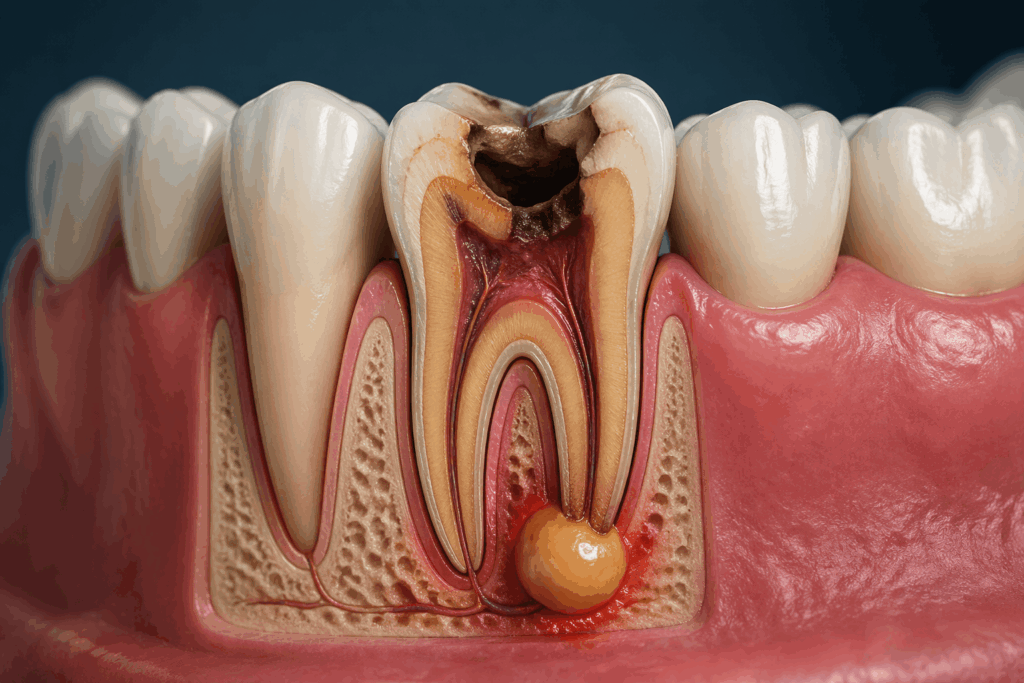
An abscessed tooth is technically a buildup of pus at the root of a tooth infection. This is our body’s response to bacteria transmitted through a crack, chip, or deep cavity in our teeth. Left unchecked, a root can become infected, and the infection can travel to surrounding gums, jawbone, etc.
A root canal in Orlando is often the best procedure for this problem, allowing the tooth to be saved. The specific symptoms that an abscessed tooth may show depend on the extent of the infection; however, the pain is often noticeable and may start as dull and later worsen, or as sharp, throbbing pain. You may have red gums, a fever, swelling around the infected tooth, or a bad taste from the draining pus from the abscess. If any of these symptoms are noticeable, then you need to make a dental appointment as soon as possible with your Orlando Dentist at Elegantly Dental.
Common Signs You Have an Abscessed Tooth
If you believe you have an abscessed tooth, be on the lookout for some of the following warning symptoms:
- Intense toothache: The most obvious sign that you have an abscessed tooth is pain. The toothache can be intense, and it usually worsens when you chew on it or press it, which is usually an indication that the infection has reached the root of the tooth.
- Swelling gums: You might see an increase in swelling around the tooth that is infected. The gums around the tooth usually look red and painful, and you might even see an unusual lump of pus forming on the infected tooth.
- Sensitivity to hot and cold: Your infected tooth can also become more sensitive to temperature than usual. Any hot drink, cold air, or even ice cream can cause an extreme toothache, indicating that the infection is affecting the root.
- Bad taste or bad smell: If you develop a pus-filled swelling that eventually bursts, it can cause a bad taste in your mouth and an unpleasant smell, which is a clear indication that the infection is present.
- Swelling in your face or jaw: In more serious infections, you may also suffer from swelling in your face, cheeks, or jaw, which is a sign that the infection is spreading.
- Fever: The body’s temperature increases when it is fighting an infection, and in this situation, your temperature may be quite high.
- Tooth Discoloration: As the abscess develops, it can damage the tooth, and it will begin to turn gray or dark.
How Root Canal Therapy Treats an Abscessed Tooth
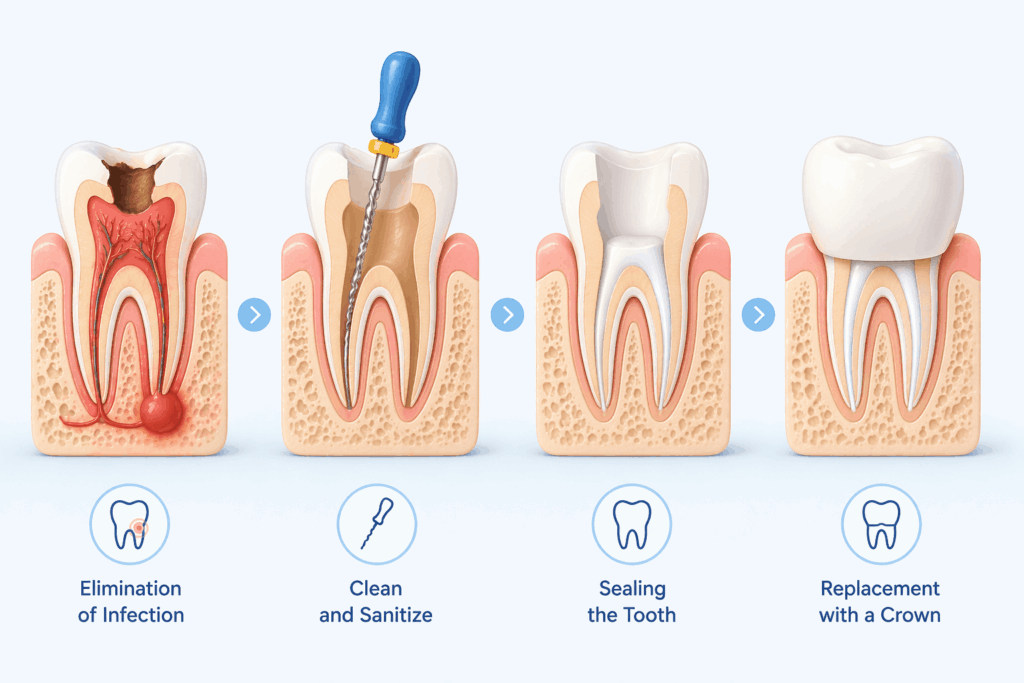
Root canal therapy is a dental treatment that can eliminate infection in the pulp of an abscessed tooth and restore it to health. Not only can root canal therapy save you from pain, but it will also save your tooth from extraction. This is how the treatment works:
- Elimination of Infection: The dentist removes the infected tissue, including the tooth’s nerves and blood vessels in the pulp.
- Clean and Sanitize: After the infection has been eliminated from the tooth, it is thoroughly cleaned and sanitized.
- Sealing the Tooth: The tooth is then sealed up to prevent future oral infections.
- Replacement with a Crown: Finally, a crown will be placed on the tooth to give it its natural form and function.
Root canal therapy can sound like a scary and painful procedure, but with today’s modern anesthetics, most patients feel very little to no pain. If you are feeling symptoms of an abscessed tooth in Orlando, then don’t put it off-make an appointment with Elegantly Dental to save your tooth!
The Importance of Timely Treatment
If you believe you are experiencing an abscessed tooth, it is vital that you get it checked by a dentist as soon as you can. Ignoring treatment can be detrimental, as the infection could spread to the surrounding teeth, gums, or bone. Furthermore, if an abscessed tooth is not treated promptly, it may lead to tooth loss or require more extensive dental work.
By treating the infection at an early stage with root canal treatment, you can avoid an more serious or costly problem later on and save your natural tooth. Do not let an abscessed tooth interfere with your lifestyle; call Elegantly Dental to book an appointment as soon as you can.
Protect Your Smile with Root Canal Therapy
Have you recently been suffering from pain, swollen gums, or sensitivity? You may have an abscessed tooth. The good news is that root canal treatment in Orlando is an extremely effective way to treat infections and can prevent an abscessed tooth from needing to be removed.
At Elegantly Dental, we offer a leading root canal treatment service, which will stop the infection and protect your smile. Make sure you do not wait too long to treat the infection. Call us today for a consultation at Elegantly Dental, and the team will ensure you are happy and at ease every step of the way.
Questions People Ask About Root Canal Therapy
What are the common signs of an abscessed tooth?
Signs include severe tooth pain, gum swelling, sensitivity to temperature changes, a foul taste in the mouth, fever, and facial swelling. If you’re experiencing these symptoms, seek dental care immediately.
How does a root canal treat an abscessed tooth?
A root canal removes the infected pulp inside the tooth, cleans the area, and seals it to prevent future infections. This treatment helps save the tooth and relieve pain.
Is a root canal painful?
Root canal therapy is generally not painful due to the local anesthesia used. Most patients report only mild discomfort during and after the procedure.
How long does it take to recover from a root canal?
Recovery time is typically short, with most patients feeling back to normal within a few days. Any discomfort can usually be managed with over-the-counter pain relievers.
Can a root canal save a tooth with an abscess?
Yes, a root canal can save a tooth by removing the infection and sealing the tooth to prevent further damage. It is a great option to avoid tooth extraction.
How can I prevent an abscessed tooth?
Good oral hygiene, regular dental checkups, and timely treatment of cavities or cracks can help prevent abscesses. Avoiding sugary foods and drinks will also reduce the risk of tooth decay.

New Patients Welcome!
Optimal oral health starts with a customized treatment plan. Begin your treatment by scheduling a consultation today.