We accept Medicare
Tartar Removal in Orlando, FL

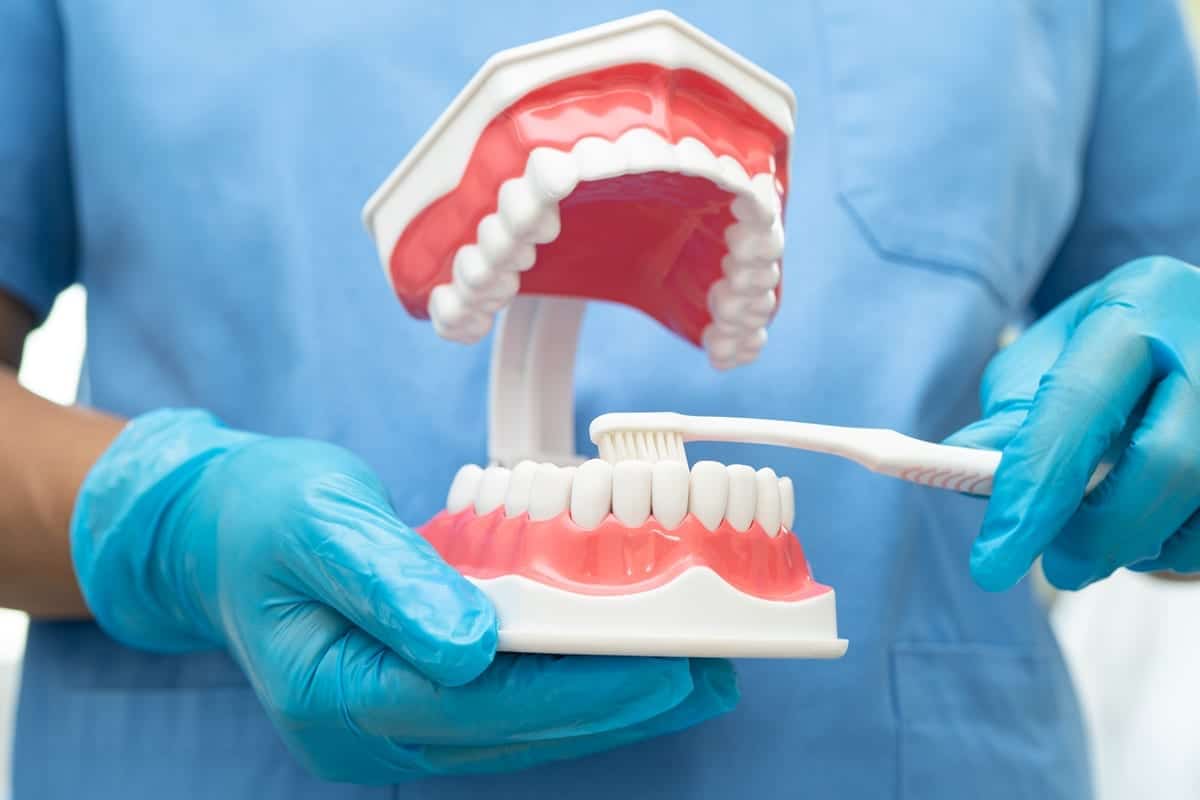
Many Orlovista residents brush faithfully twice a day. They floss, rinse, and do everything right. Yet tartar still builds up — and no toothbrush can fix that. Understanding why your toothbrush can’t remove tartar (but we can) in Orlovista is the first step toward truly protecting your smile.
At Elegantly Dental of MetroWest, Dr. Young S. Lee sees this every day. Patients are surprised to learn that their home routine, no matter how thorough, simply cannot undo hardened tartar. This article explains exactly why — and what a professional cleaning actually accomplishes.
What Is Tartar and Why Does It Form?
Tartar starts as plaque. Plaque is a soft, sticky film of bacteria that forms on your teeth throughout the day. If you brush and floss regularly, you remove most of it before it causes harm.
The problem begins when plaque is missed — even in tiny amounts. Within 24 to 72 hours, plaque begins to mineralize. Minerals from your saliva bond with the bacteria and harden the film into a substance called tartar, also known as calculus.
Once tartar forms, it bonds tightly to your tooth enamel. It is no longer a soft film you can wipe away. It becomes a hard, cement-like deposit that sticks at and below the gumline.
- Tartar forms fastest between teeth and along the gumline
- It appears yellow or brown in color
- It creates a rough surface that attracts even more plaque
- It cannot be softened or dissolved by toothpaste or mouthwash
- It can form even with excellent brushing habits
Why Your Toothbrush Simply Cannot Remove Tartar in Orlovista
This is the core issue many Orlovista patients misunderstand. Toothbrushes — manual or electric — are designed to remove plaque. They work beautifully on soft buildup. But tartar is an entirely different challenge.
Bristles cannot scrape away a mineralized deposit. The hardness of tartar is comparable to bone. No amount of brushing pressure or specialized toothpaste will loosen it from your enamel.
Some toothpastes are labeled as
Frequently Asked Questions
What is the difference between tartar and plaque?
Plaque is a sticky film of bacteria that forms on your teeth daily and can be removed with regular brushing and flossing. Tartar, also called calculus, is hardened plaque that has been left on your teeth and can only be removed by a dental professional during a cleaning appointment.
How often should I have tartar removed?
Most people benefit from professional tartar removal every six months during their regular dental cleanings. However, if you’re prone to tartar buildup or have gum disease, your dentist may recommend more frequent cleanings to maintain optimal oral health.
Does tartar removal hurt?
Tartar removal is generally painless, though some patients may experience mild sensitivity or slight discomfort, especially if they have sensitive teeth or gum disease. Your dentist can apply a numbing gel or discuss sedation options if you’re concerned about discomfort during the procedure.
Can I prevent tartar buildup at home?
While you cannot completely prevent tartar formation, you can significantly reduce it by brushing twice daily with fluoride toothpaste, flossing daily, and using an antimicrobial mouthwash. Regular professional cleanings are still necessary since tartar cannot be removed by at-home care alone.
What happens if I don’t remove tartar buildup?
Untreated tartar accumulation can lead to gum disease, tooth decay, bad breath, and eventually tooth loss. Tartar provides a surface for harmful bacteria to thrive, which can cause inflammation, infection, and damage to your teeth and gums over time.

New Patients Welcome!
Optimal oral health starts with a customized treatment plan. Begin your treatment by scheduling a consultation today.