We accept Medicare


Teeth Cleaning Sensitivity in Orlando, FL
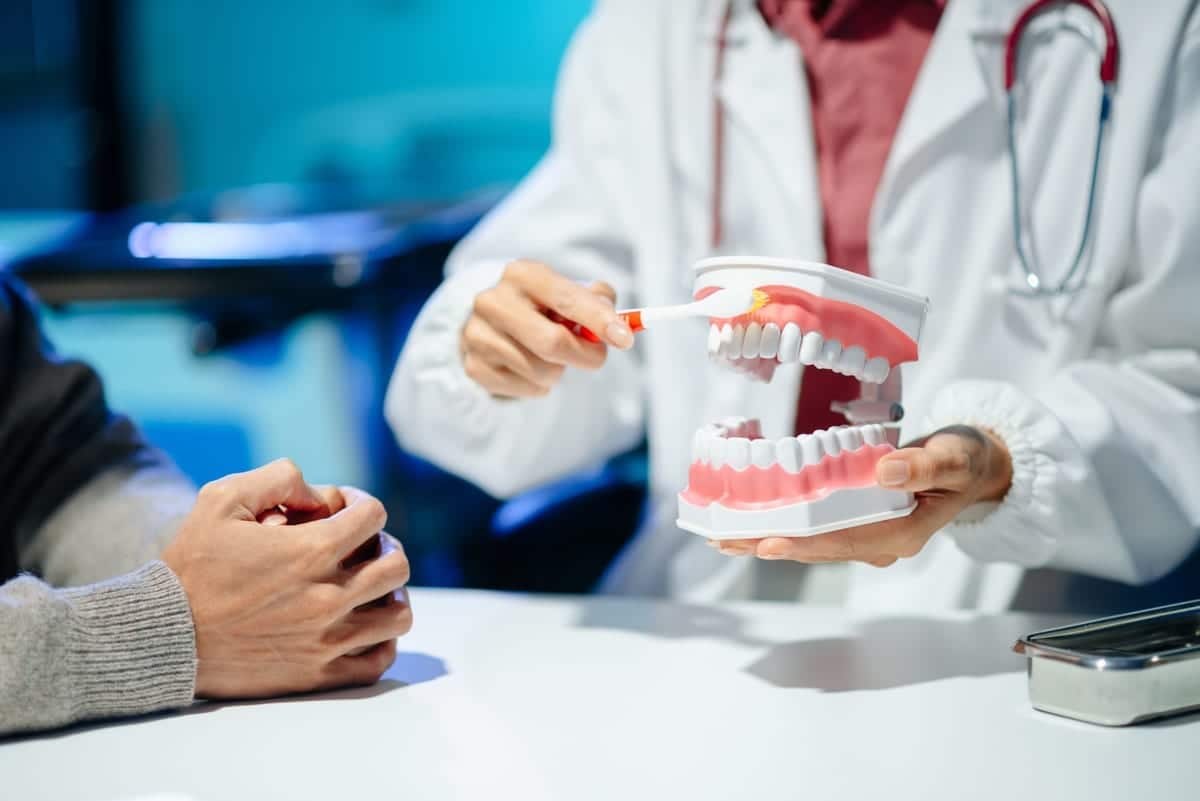
If you’ve ever gripped the armrest during a cleaning, you’re not alone. Many patients in Sky Lake, FL ask why teeth cleaning hurts and how we stop it before they even sit down. The answer involves gum health, tooth sensitivity, and a hygienist who knows exactly what to do. At Elegantly Dental of Sand Lake, Dr. Young S. Lee and his team take sensitivity seriously — and they have real solutions.
Why Does Teeth Cleaning Hurt? The Real Reasons
Discomfort during a cleaning rarely comes out of nowhere. It usually points to something specific happening in your mouth. Understanding the cause makes the experience far less frightening.
Here are the most common reasons cleanings feel uncomfortable:
- Gum inflammation: Swollen, irritated gums are more sensitive to touch and pressure.
- Tartar buildup: Hardened deposits require more force to remove, which can cause brief discomfort.
- Exposed tooth roots: Gum recession leaves sensitive root surfaces unprotected.
- Enamel erosion: Thin enamel means nerves sit closer to the surface.
- Infrequent cleanings: Longer gaps between visits mean more buildup and more irritated tissue.
None of these causes mean something is terribly wrong. They do mean your hygienist needs to work carefully and communicate with you throughout the appointment.
How We Stop Sensitivity During Your Cleaning in Sky Lake
Our team at Elegantly Dental of Sand Lake uses several techniques to keep you comfortable. We never rush through a cleaning, especially when a patient shows signs of sensitivity. Every step is adjustable based on your comfort level.
Here’s what our hygienists do to reduce discomfort:
- Gentle scaling technique: We use light, controlled strokes rather than aggressive scraping motions.
- Ultrasonic scalers: These vibrate tartar loose with water, which is often gentler than hand tools alone.
- Topical numbing gel: Applied directly to the gums before scaling, this reduces surface sensitivity significantly.
- Regular check-ins: Your hygienist pauses and asks how you’re feeling throughout the visit.
- Shorter appointments when needed: For very sensitive patients, we may split the cleaning into two visits.
You should always feel in control during your appointment. Raising your hand stops the procedure immediately. No questions asked.
What Gum Disease Has to Do With Cleaning Pain
Gum disease is one of the biggest contributors to cleaning sensitivity. When gums are inflamed, even gentle contact feels sharp and uncomfortable. Patients with early-stage gum disease — called gingivitis — often notice this the most.
The good news is that regular cleanings actually treat the problem. Removing tartar and bacteria allows gums to heal between visits. Over time, cleanings become noticeably more comfortable as gum health improves.
Patients who avoid cleanings due to sensitivity often find the problem gets worse, not better. The cycle of avoidance leads to more buildup, more inflammation, and more discomfort the next time. Staying consistent with your schedule is the most effective long-term solution.
If gum disease has progressed beyond basic cleaning, we may recommend a deeper procedure called scaling and root planing. This is performed with local anesthesia, so discomfort is minimal. Dr. Lee will always explain every step before proceeding.
Reassurance for Anxious Patients in Sky Lake
Dental anxiety is real, and it’s more common than most people realize. Many patients in Sky Lake avoid cleanings not because of current pain, but because they fear what the cleaning might feel like. That fear is completely understandable.
At Elegantly Dental of Sand Lake, we create a calm and judgment-free environment. Dr. Young S. Lee trained his team to prioritize communication above all else. You will never feel pressured to push through discomfort.
We also offer distractions like music and a relaxed pace that helps anxious patients feel more settled. If you’ve had a painful cleaning experience in the past, please tell us before we begin. That information helps us adjust our approach from the very first moment.
Patients interested in improving their smile alongside their oral health may also explore Cosmetic Dentistry options. Many cosmetic treatments pair beautifully with a healthy cleaning routine. Starting with clean, healthy teeth gives cosmetic results a stronger foundation.
When Cleaning Pain Signals Something More
Occasionally, discomfort during a cleaning points to an issue that needs further attention. A single sensitive tooth may have a cavity, a crack, or an exposed nerve. Your hygienist is trained to notice these signs and flag them for the dentist.
If Dr. Lee identifies a deeper problem, he may recommend treatment such as a Root Canal to address nerve damage and relieve chronic pain. A root canal removes the infected or irritated nerve inside the tooth. Most patients are surprised by how much relief they feel afterward.
Catching these issues during a routine cleaning is one reason why regular visits matter so much. Skipping appointments allows small problems to grow into larger, more painful ones. Coming in consistently keeps your hygienist and dentist in the loop.
Conclusion: Comfortable Cleanings Are Possible
Sensitivity during teeth cleaning is common, but it doesn’t have to define your experience. With the right techniques, honest communication, and a care team that listens, cleanings can be manageable — even pleasant. Dr. Young S. Lee and the team at Elegantly Dental of Sand Lake are committed to making every visit work for you, especially if you’ve struggled with sensitivity in the past. Sky Lake patients deserve dental care that feels as good as it looks. Book Now to schedule your appointment with our team.
Frequently Asked Questions
Why does my teeth cleaning hurt if I brush every day?
Daily brushing keeps surface plaque at bay, but it cannot remove hardened tartar that builds up over time. Tartar accumulates near the gumline and requires professional tools to remove. That removal process can cause brief sensitivity, especially if gums are inflamed from the buildup.
Is it normal to bleed during a teeth cleaning?
Some light bleeding during a cleaning is common, especially if you have early gum disease or haven’t had a cleaning recently. Bleeding gums are a sign of inflammation, not an emergency. Regular cleanings and improved home care typically reduce bleeding significantly over time.
Can I ask for numbing gel before my cleaning?
Absolutely. Topical numbing gel is available for patients who experience sensitivity during cleanings. Simply mention your concern when you arrive or when the hygienist begins the appointment. We want your visit to be as comfortable as possible from start to finish.
How often should I get a teeth cleaning if I have sensitive teeth?
Most patients benefit from cleanings every six months. If you have gum disease or persistent sensitivity, your dentist may recommend more frequent visits — sometimes every three to four months. More regular cleanings reduce buildup gradually and allow gum tissue to stay healthier between appointments.
Will cleanings always hurt, or does it get better over time?
For most patients, cleanings become noticeably more comfortable with consistent scheduling. As gum health improves and tartar is kept under control, there is simply less for the hygienist to remove each visit. Many patients who once dreaded cleanings find they feel little to no discomfort after a year of regular appointments.



New Patients Welcome!
Optimal oral health starts with a customized treatment plan. Begin your treatment by scheduling a consultation today.