We accept Medicare


Teeth Whitening and Sensitivity: Why It Happens and How to Stop It

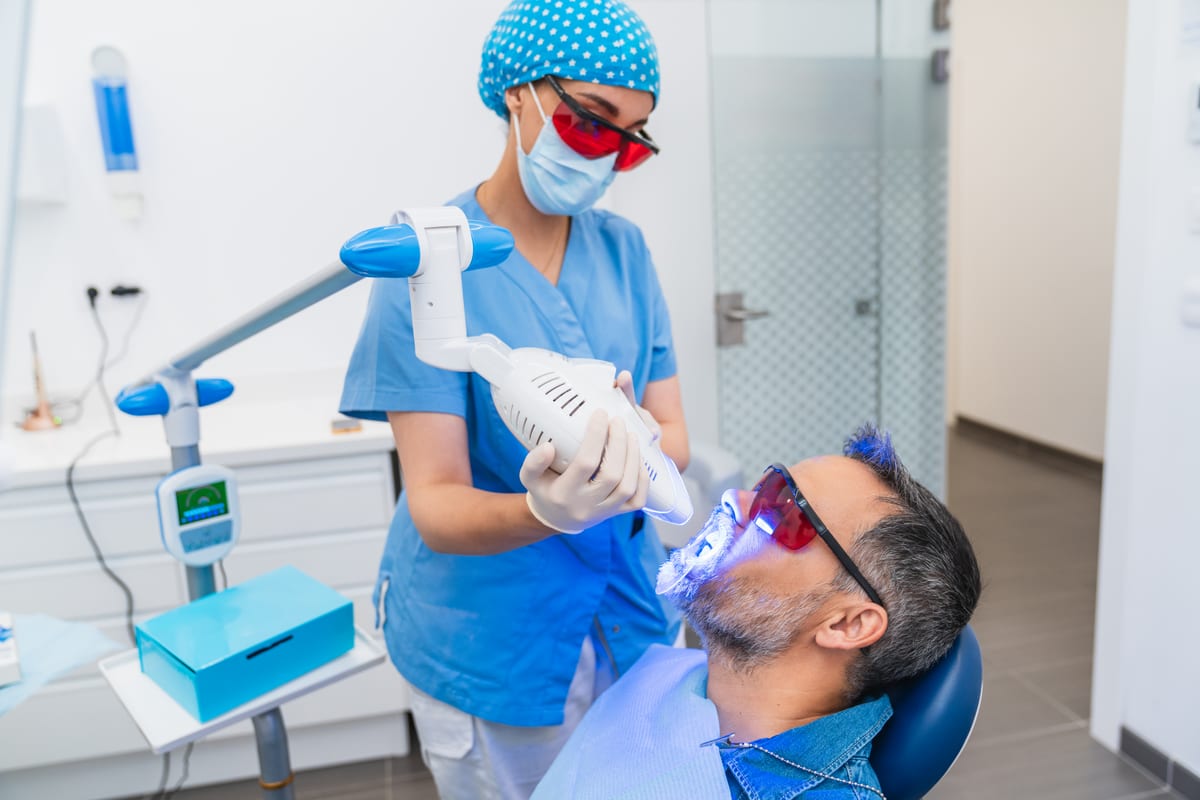
Teeth whitening is one of the most popular smile upgrades available today. Yet many Orlando patients hesitate because they fear sensitivity. Understanding teeth whitening and sensitivity — why it happens and how to stop it in Orlando — can help you make a confident, informed decision. At Elegantly Dental of MetroWest, Dr. Young S. Lee helps patients achieve brighter smiles without unnecessary discomfort.
Why Does Teeth Whitening Cause Sensitivity?
Whitening products use peroxide-based bleaching agents to lift stains from enamel. These agents temporarily open tiny channels in the enamel called dentinal tubules. Once open, those tubules allow temperature and pressure changes to reach the nerve inside the tooth. That direct stimulation is what triggers the sharp, brief sensitivity most patients describe.
Not every patient experiences the same level of discomfort. Several factors increase your personal risk. Pre-existing enamel erosion, exposed root surfaces, and gum recession all make teeth more reactive. Over-the-counter whitening strips can also worsen sensitivity because they apply high-concentration gel without professional supervision.
The good news is that whitening-related sensitivity is almost always temporary. It typically fades within 24 to 72 hours after treatment. A professional approach, like the one offered through Cosmetic Dentistry Orlando at our practice, significantly reduces the risk from the start.
How Dr. Young S. Lee Minimizes Whitening Sensitivity in Orlando
Professional teeth whitening is not a one-size-fits-all procedure. Dr. Lee begins with a thorough oral health exam before any whitening treatment. This step identifies issues like cavities, cracked teeth, or gum disease that could amplify sensitivity. Treating those concerns first protects both your comfort and your results.
During in-office whitening, Dr. Lee uses professional-grade desensitizing agents alongside the bleaching gel. A protective barrier covers your gums to prevent soft-tissue irritation. Controlled light activation ensures the gel works efficiently at a lower concentration, reducing nerve exposure time.
For take-home whitening kits, custom-fitted trays make a major difference. Unlike store-bought trays, custom trays hold gel precisely against your teeth. Less gel overflow means less contact with sensitive gum tissue. This precision is a core reason why professional whitening outperforms over-the-counter alternatives.
- Pre-treatment exam to rule out cavities or cracks
- Desensitizing gel applied before and after whitening
- Gum barriers to protect soft tissue during treatment
- Custom trays for accurate, mess-free gel application
- Lower peroxide concentrations used over longer sessions
What You Can Do at Home to Reduce Sensitivity
Your daily habits play a significant role in managing post-whitening sensitivity. Start using a sensitivity-specific toothpaste at least two weeks before your whitening appointment. These toothpastes contain potassium nitrate or stannous fluoride, which calm nerve endings inside the tooth. Consistent use before and after treatment delivers the best results.
Avoid extremely hot or cold foods and drinks for 48 hours after whitening. Your dentinal tubules remain slightly more open during that window. A hot cup of coffee or an ice-cold drink can trigger a sharp zap of discomfort. Stick to lukewarm foods and beverages while your enamel re-mineralizes.
Here are additional home-care tips that make recovery more comfortable:
- Brush gently with a soft-bristled toothbrush after whitening
- Avoid acidic foods like citrus and vinegar for 48 hours
- Use an over-the-counter fluoride rinse to strengthen enamel
- Apply a thin layer of desensitizing gel to trays if provided
- Skip whitening sessions if sensitivity feels severe — take a break
If sensitivity persists beyond 72 hours, contact Dr. Lee’s office. Prolonged discomfort can sometimes signal an underlying issue. Persistent nerve pain may occasionally point to a deeper problem requiring evaluation, similar to conditions addressed through Root Canal Orlando treatment in rare cases.
Who Is a Good Candidate for Teeth Whitening in Orlando?
Most healthy adults are excellent candidates for professional teeth whitening. However, some situations call for extra care or alternative approaches. Patients with severe enamel erosion, active gum disease, or untreated decay need those issues resolved first. Whitening on compromised teeth will cause unnecessary pain and poor results.
Pregnancy and certain medications can also affect candidacy. Dr. Lee reviews your full health history before recommending any whitening treatment. This personalized review ensures the safest possible experience for every patient. Open communication about your concerns always leads to better outcomes.
Age matters too. Younger patients with larger pulp chambers tend to feel more sensitivity. Older patients may have more staining but can often tolerate whitening well. A consultation with Dr. Lee gives you a clear picture of what to expect based on your unique smile.
Professional Whitening vs. Over-the-Counter Products
Walk into any drugstore and you will find dozens of whitening strips, trays, and toothpastes. These products are accessible and affordable, but they come with real trade-offs. Over-the-counter strips use a generic fit that allows bleaching gel to seep onto gums. That gel contact is a leading cause of post-whitening sensitivity complaints.
Professional whitening also delivers faster, more consistent results. The concentration of whitening agents used in a dental office is stronger and more precisely controlled. You spend less total time with bleaching gel on your teeth while achieving a more dramatic shade change. That combination of speed and precision reduces cumulative nerve exposure.
At-home kits dispensed by Dr. Lee offer a middle-ground option. You benefit from professional-grade materials and custom trays, but you whiten at your own pace. Many patients in Orlando find this format the most comfortable approach overall.
Conclusion
Sensitivity should not stand between you and a brighter smile. Understanding the connection between teeth whitening and sensitivity — why it happens and how to stop it — puts you in control of your experience in Orlando. Dr. Young S. Lee and the team at Elegantly Dental of MetroWest use proven techniques to keep discomfort minimal and results exceptional. Book Now to schedule your appointment with our team.
Frequently Asked Questions
How long does whitening sensitivity last?
Whitening sensitivity typically lasts between 24 and 72 hours after treatment. The discomfort fades as the dentinal tubules close and enamel re-mineralizes. Using a sensitivity toothpaste and avoiding extreme temperatures helps speed up relief.
Can I whiten my teeth if I already have sensitive teeth?
Yes, but extra preparation is key. Dr. Lee recommends using a desensitizing toothpaste for two weeks before your appointment. A pre-treatment application of desensitizing gel can also significantly reduce your reaction during and after whitening.
Is professional whitening safer than whitening strips for sensitive teeth?
Professional whitening is generally safer for sensitive teeth. Custom-fitted trays prevent gel from touching your gums, and lower concentration formulas reduce nerve stimulation. Dr. Lee also monitors your comfort throughout the entire process.
How often can I whiten my teeth without causing damage?
Most patients safely whiten once or twice per year with professional guidance. Whitening too frequently can wear down enamel and increase long-term sensitivity. Dr. Lee will recommend a schedule based on your specific tooth condition and shade goals.
What should I do if my sensitivity does not go away after whitening?
Contact Elegantly Dental of MetroWest if sensitivity lasts longer than three days. Prolonged discomfort can indicate an underlying condition such as a cavity or cracked tooth. Dr. Lee will evaluate your teeth and recommend the appropriate next step.


New Patients Welcome!
Optimal oral health starts with a customized treatment plan. Begin your treatment by scheduling a consultation today.