We accept Medicare
Veneers vs. Bonding in Orlando, FL
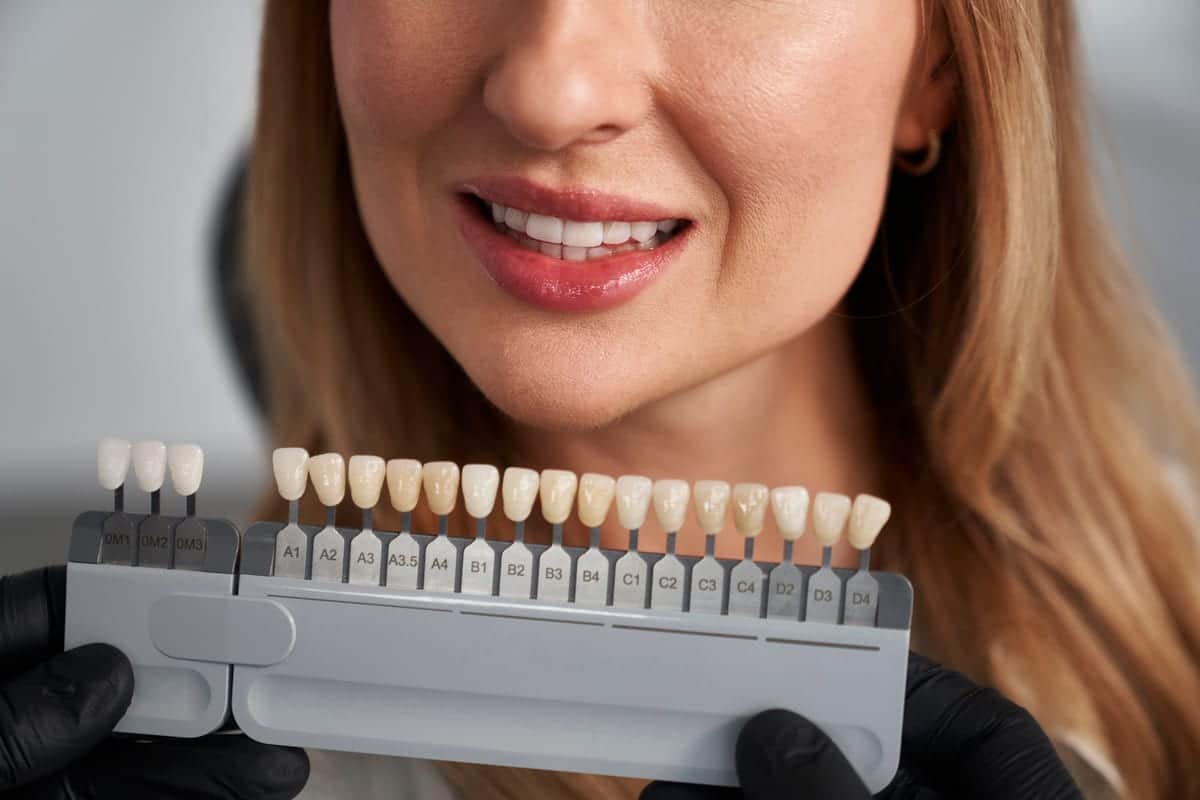
If you live in Windermere and want a better smile, you have options. Two of the most popular choices are dental veneers and dental bonding. When weighing veneers vs. bonding, which smile fix actually lasts longer in Windermere? The answer depends on your goals, budget, and how much tooth prep you want. This guide breaks down both treatments so you can make a confident, informed choice.
What Are Veneers and What Are Dental Bonding Treatments?
Veneers are thin porcelain or composite shells. A dentist bonds them to the front surface of your teeth. They are custom-made in a dental lab and designed to cover chips, stains, gaps, or uneven shapes. Most people associate them with dramatic smile transformations.
Dental bonding uses a tooth-colored resin material. Your dentist applies it directly to the tooth and shapes it by hand. It hardens under a special light in just one visit. Bonding is often used for small chips, minor gaps, or surface discoloration.
Both treatments fall under the umbrella of Cosmetic Dentistry. Understanding the differences helps you choose the right path. Let’s look at how each treatment holds up over time.
Veneers vs. Bonding: How Long Does Each Treatment Last?
Longevity is often the deciding factor for Windermere patients. Porcelain veneers typically last 10 to 20 years with proper care. They resist staining and maintain their color remarkably well. Their ceramic structure is durable and hard to chip under normal use.
Dental bonding, on the other hand, typically lasts 3 to 7 years. The resin material is softer than porcelain. It can chip more easily and tends to stain over time. Coffee, tea, and red wine can dull bonding material faster than veneers.
Here is a quick comparison of lifespan and durability:
- Porcelain veneers: 10–20 years average lifespan
- Composite bonding: 3–7 years average lifespan
- Veneers resist staining better than bonding resin
- Bonding chips more easily under biting pressure
- Both require regular dental cleanings to maintain results
If you want a long-lasting solution, veneers clearly have the edge. But longevity is only one part of the equation.
Cost and Invasiveness: What Windermere Patients Should Expect
Veneers cost more than bonding in almost every case. Porcelain veneers typically run $900 to $2,500 per tooth. Composite veneers are less expensive but still pricier than direct bonding. The higher cost reflects the lab fabrication and the longer lifespan.
Dental bonding is significantly more affordable. Most patients pay $200 to $600 per tooth. Because it’s done in one visit, there are no lab fees. That makes bonding an attractive option for budget-conscious patients.
Invasiveness is another important difference. Porcelain veneers require your dentist to remove a thin layer of enamel. This makes the process irreversible. Once enamel is removed, you will always need a veneer on that tooth.
Dental bonding requires little to no enamel removal. It is a much more conservative treatment. If you change your mind later, the tooth remains largely intact. For patients who prefer a reversible option, bonding offers more flexibility.
Which Treatment Delivers Better Cosmetic Results?
Both treatments can dramatically improve your smile. However, they excel in different situations. Veneers offer a more uniform, polished appearance. They cover the entire visible surface of the tooth evenly and precisely.
Bonding is better suited for small, isolated corrections. A single chipped tooth or a minor gap responds well to bonding. It blends naturally with surrounding teeth when done well. An experienced dentist can make bonding nearly invisible to the naked eye.
For patients with multiple concerns — staining, chips, uneven sizes, and spacing — veneers deliver more comprehensive results. Bonding may require touch-ups or replacement more frequently in those cases. Here are the best candidates for each treatment:
- Best for veneers: Multiple cosmetic concerns, deep staining, uneven teeth, desire for long-term results
- Best for bonding: Single chipped tooth, minor gaps, surface cracks, budget-friendly correction
- Both work well for: Mild discoloration, slightly misshapen teeth, and confidence-boosting improvements
Your specific smile goals should guide this decision. Dr. Young S. Lee at Elegantly Dental of MetroWest can evaluate your teeth and recommend the best fit.
Caring for Veneers and Bonding After Treatment
Aftercare plays a major role in how long either treatment lasts. Both veneers and bonding benefit from consistent oral hygiene. Brush twice daily with a non-abrasive toothpaste. Floss gently around treated teeth to remove plaque buildup.
Avoid biting hard objects like ice, pens, or hard candy. These habits can chip both bonding resin and porcelain. If you grind your teeth at night, ask your dentist about a nightguard. Grinding accelerates wear on both types of restorations.
Regular dental checkups are essential for both treatments. Your dentist will monitor the condition of your restorations at each visit. They can catch early signs of wear or staining before they become bigger problems. Patients who keep up with cleanings tend to get more years out of both veneers and bonding.
It is also worth noting that some patients need other dental work before cosmetic treatment. For example, patients with severe decay may need a Root Canal before veneers can be placed safely. Address underlying health issues first to protect your investment in a better smile.
Making the Right Choice for Your Windermere Smile
The veneers vs. bonding question does not have a single right answer. It depends on your priorities, your budget, and the condition of your teeth. Veneers last longer and look more polished, but they cost more and require enamel removal. Bonding is affordable and reversible, but it needs more frequent replacement.
Windermere residents deserve a smile solution that fits their life. At Elegantly Dental of MetroWest, Dr. Young S. Lee takes time to understand your concerns. He will walk you through your options honestly and clearly. Your comfort and confidence matter from the first consultation forward.
Ready to explore your smile options? Book Now to schedule your appointment with our team.
Frequently Asked Questions
How do I know if veneers or bonding is right for me?
The best way to decide is to schedule a consultation with a cosmetic dentist. Dr. Young S. Lee will examine your teeth, discuss your goals, and recommend the most appropriate treatment. Factors like the number of teeth involved, your budget, and the severity of your concerns all play a role in the recommendation.
Does dental bonding look as natural as veneers?
Dental bonding can look very natural when applied by a skilled dentist. However, porcelain veneers tend to mimic the light-reflecting properties of natural teeth more closely. Bonding resin may also pick up stains over time, which can affect how natural it looks years down the road.
Is the veneer process painful?
Most patients experience minimal discomfort during the veneer process. Local anesthesia is used during the enamel preparation stage. Some sensitivity after the procedure is normal and usually fades within a few days. Your dentist will keep you comfortable throughout the process.
Can bonding be replaced with veneers later?
Yes, bonding can be removed and replaced with veneers at a later date. Since bonding requires little to no enamel removal, your tooth structure remains intact. This makes it a practical starting point for patients who want to improve their smile now and upgrade later.
How long does a dental bonding appointment take?
Dental bonding is typically completed in a single visit lasting 30 to 60 minutes per tooth. No lab work is required because the dentist applies and shapes the resin directly during your appointment. It is one of the fastest cosmetic dental procedures available.



New Patients Welcome!
Optimal oral health starts with a customized treatment plan. Begin your treatment by scheduling a consultation today.