We accept Medicare


What to Eat After Your Root Canal: A Complete Recovery Guide

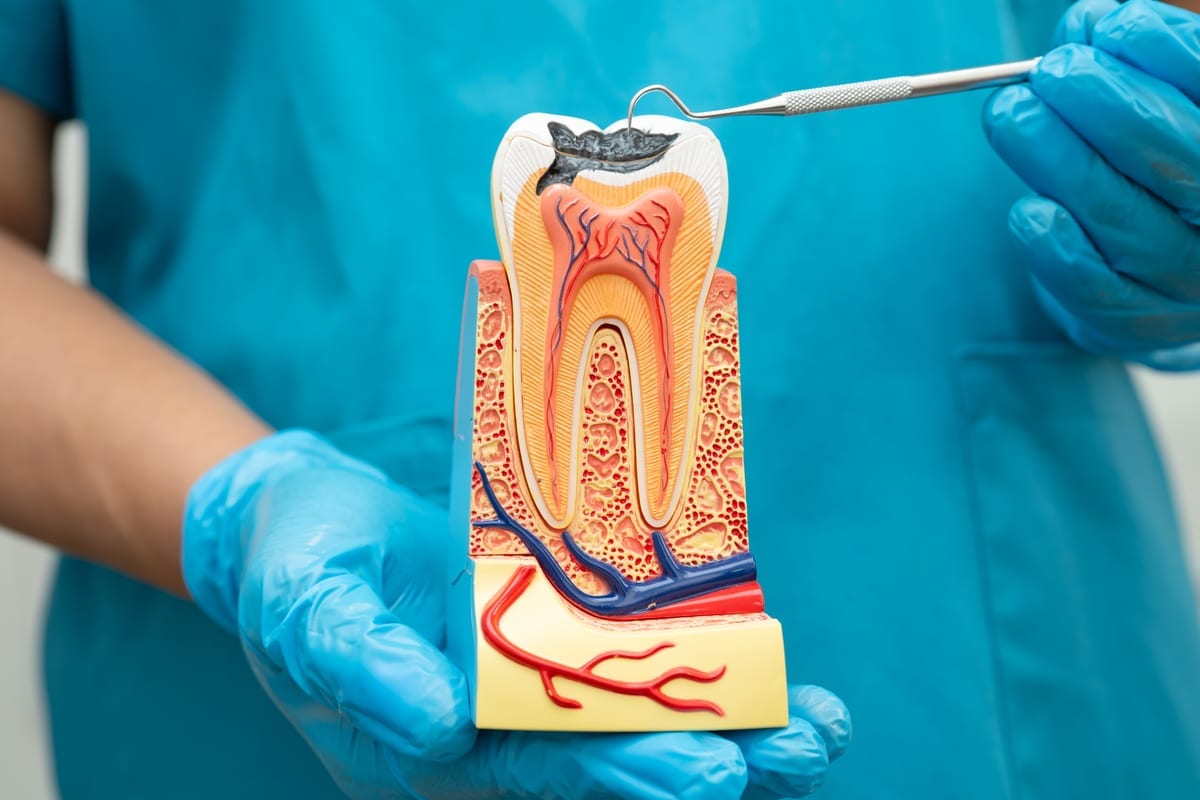
If you just had a Root Canal Orlando patients often have the same question first: what can I eat? Recovery matters just as much as the procedure itself. At Elegantly Dental of Sand Lake, Dr. Young S. Lee wants every Orlando patient to heal comfortably and confidently. This complete recovery guide covers exactly what to eat, which pain relievers help most, how long sensitivity lasts, and which warning signs should never be ignored.
What to Eat After Your Root Canal: Best Foods for Healing
Your tooth and the surrounding gum tissue need time to settle after treatment. Choosing the right foods protects the area and reduces discomfort. Soft, cool, and easy-to-chew options are your best friends in the first few days.
Here are the best foods to enjoy right after your procedure:
- Yogurt and smoothies — cooling and nutrient-rich
- Mashed potatoes — filling and completely soft
- Scrambled eggs — high in protein and gentle on teeth
- Oatmeal — warm but not hot, easy to chew
- Applesauce — naturally sweet without chewing pressure
- Soup broth — hydrating and soothing, but avoid extreme heat
- Bananas and soft fruits — no chewing force required
Avoid chewing on the treated side as much as possible. This protects the temporary or permanent crown placed after treatment. Sticking to soft foods for at least three to four days gives the area the best chance to heal.
Foods and Habits to Avoid During Root Canal Recovery
Some foods can irritate the treatment site or even dislodge your temporary crown. Knowing what to skip is just as important as knowing what to eat. A few smart choices now can prevent setbacks and extra dental visits.
Avoid these foods and habits while you recover:
- Hard foods like nuts, chips, or raw carrots — too much pressure
- Sticky candies or gum — can pull at the crown
- Extremely hot drinks — can increase sensitivity and pain
- Crunchy foods like crackers or pretzels — sharp edges cause irritation
- Alcohol — can interfere with healing and some medications
- Smoking or vaping — slows tissue recovery significantly
Try to chew on the opposite side of your mouth during meals. This simple habit protects your treated tooth without much extra effort. Most patients can return to normal eating within a week.
Managing Pain After Your Root Canal: OTC Options That Help
Mild soreness after a root canal is completely normal. The tissue around your tooth experienced some stress during treatment. Fortunately, over-the-counter pain relievers work well for most patients in Orlando.
Ibuprofen (Advil, Motrin) is usually the most effective choice. It reduces both pain and inflammation at the same time. Take it as directed on the package and with food to protect your stomach.
Acetaminophen (Tylenol) is a great alternative if ibuprofen upsets your stomach. Some patients find rotating between the two works especially well. Always follow dosage instructions and never exceed the recommended daily limit.
If Dr. Lee prescribes antibiotics or stronger pain medication, take the full course as directed. Do not skip doses even if you start feeling better. Contact our office right away if pain gets significantly worse after the first two days instead of improving.
How Long Does Sensitivity Last After a Root Canal?
Most patients notice sensitivity or mild aching for two to three days after treatment. This is normal and expected as your body begins healing. The area around the tooth root experienced some manipulation, so tenderness makes complete sense.
By day three to five, the majority of discomfort should ease noticeably. Full healing of the surrounding gum tissue usually takes one to two weeks. Some patients with more complex cases may feel slight sensitivity for up to a month.
Your bite may also feel slightly off for a few days after the procedure. This happens because the area is still swollen and adjusting. If your bite feels significantly uneven after a week, call our office so Dr. Lee can make a quick adjustment.
Once your permanent crown is placed, sensitivity should resolve entirely. Until then, be gentle with the treated tooth and follow the soft-food guidelines above. Patience during this phase leads to a smooth and lasting result.
Red Flags to Watch for During Your Recovery
Most root canal recoveries go smoothly when you follow aftercare instructions. However, certain symptoms signal that something needs attention. Never ignore these warning signs — catching problems early protects your tooth and your health.
Contact Elegantly Dental of Sand Lake right away if you experience any of the following:
- Severe, worsening pain that does not respond to OTC pain relievers
- Visible swelling in your face, jaw, or neck
- A pimple-like bump on your gum near the treated tooth
- Fever above 100°F that lasts more than 24 hours
- The temporary crown falls out or feels completely loose
- Redness or discharge around the gum line
These symptoms could indicate infection or another complication. Dr. Lee and the team at Elegantly Dental of Sand Lake are ready to help with any concerns. Our Orlando patients always have access to prompt follow-up care when they need it.
Your Long-Term Oral Health After a Root Canal
A root canal saves a tooth that would otherwise need extraction. After recovery, that tooth can last a lifetime with proper care. Maintaining excellent oral hygiene and attending regular check-ups are the two most important steps you can take.
Brush twice daily with a soft-bristled toothbrush. Floss once a day and pay attention to the area around your crown. Regular professional cleanings at Elegantly Dental of Sand Lake keep everything in top shape.
If you are curious about improving your smile beyond general care, explore options like Cosmetic Dentistry Orlando to see what is possible. Many patients who complete restorative work consider cosmetic enhancements next. Veneers, teeth whitening, and Invisalign are all popular choices for Orlando patients who want a complete smile transformation.
Your overall dental health is an investment. Treating it with care — especially during recovery — pays off for years to come. Dr. Young S. Lee and the entire team at Elegantly Dental of Sand Lake are proud to support every step of your dental journey.
Conclusion: You Are in Good Hands at Elegantly Dental of Sand Lake
Following this complete recovery guide for what to eat after your root canal in Orlando will make a real difference in how quickly you heal. Soft foods, the right pain relievers, and watchful attention to warning signs all contribute to a smooth recovery. Dr. Young S. Lee is committed to making sure every patient in Orlando feels informed, supported, and confident throughout the process. Book Now to schedule your appointment with our team.
Frequently Asked Questions
How soon can I eat after a root canal?
You can eat once the local anesthesia wears off, usually two to three hours after the procedure. Start with soft, cool foods and avoid chewing on the treated side. Do not eat hard or crunchy foods until your dentist confirms the area has healed properly.
Can I drink coffee or tea after a root canal?
It is best to avoid very hot beverages for the first 24 to 48 hours. Heat can increase sensitivity and discomfort in the treated area. Once sensitivity decreases, you can gradually reintroduce warm drinks — just avoid extreme temperatures early in recovery.
Is it normal to feel pain a week after a root canal?
Mild soreness can sometimes linger for up to two weeks, especially in complex cases. However, if pain is severe or gets worse after day three, contact your dentist right away. This could indicate an issue that needs prompt attention, such as reinfection or an ill-fitting crown.
What if my temporary crown falls out during recovery?
Call your dental office immediately if your temporary crown comes loose or falls out. The crown protects the treated tooth from bacteria and damage. Dr. Lee can replace or recement it quickly to keep your recovery on track.
When can I return to normal eating after a root canal?
Most patients return to a completely normal diet within seven to ten days. Follow your dentist’s specific instructions based on your case. Once your permanent crown is placed and any sensitivity resolves, your treated tooth should function just like a natural tooth.


New Patients Welcome!
Optimal oral health starts with a customized treatment plan. Begin your treatment by scheduling a consultation today.