We accept Medicare


What You’ll Actually Feel During Your Root Canal Treatment

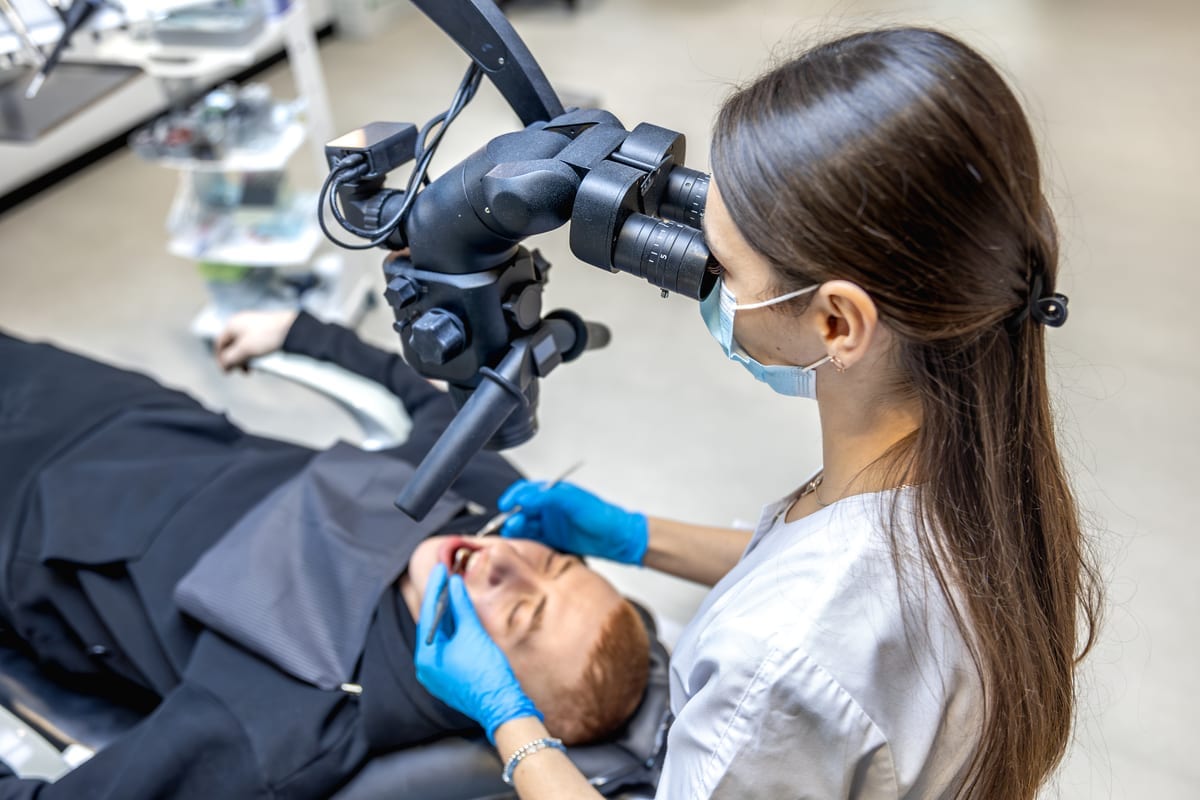
Many patients in Ocoee feel anxious before a root canal. Most of that anxiety comes from not knowing what to expect. Understanding what you’ll actually feel during your root canal treatment in Ocoee can make the entire experience far less stressful. At Elegantly Dental of Ocoee, Dr. Young S. Lee walks every patient through each step before treatment begins. Knowledge truly is the best medicine when it comes to dental fear.
Why Root Canals Feel Nothing Like Their Reputation
The classic image of a root canal as painful is completely outdated. Modern dentistry has transformed this procedure into something far more manageable. Most patients are genuinely surprised by how comfortable the experience actually is. The fear usually comes from old stories or secondhand accounts — not from real, current experience.
The truth is that a Root Canal Ocoee procedure is designed to relieve pain, not create it. The discomfort you feel before treatment — from an infected tooth — is usually far worse. Dr. Lee uses modern techniques and local anesthesia to ensure you feel as little as possible. By the time the procedure starts, most patients are relaxed and comfortable.
Root canal treatment is actually one of the most effective ways to save a natural tooth. It removes infected pulp tissue from inside the tooth. Once that source of infection is gone, your pain goes away too. Many patients leave the office feeling better than when they walked in.
Step-by-Step: What You’ll Actually Feel During Your Root Canal Treatment in Ocoee
Let’s walk through each stage of the procedure honestly. Knowing what comes next removes the element of surprise. That alone reduces anxiety significantly for most patients. Here is what you can expect from start to finish.
- Numbing the area: Dr. Lee applies a topical gel to your gum first. This reduces the sensation of the injection. You may feel mild pressure but rarely sharp pain.
- Local anesthesia injection: A small amount of anesthetic is delivered near the tooth. You may feel a brief pinch or slight burning sensation. This fades within seconds.
- Waiting for numbness: Dr. Lee waits until the area is fully numb. You will feel pressure and vibration but not pain. This is normal and expected.
- Accessing the tooth: A small opening is made in the top of the tooth. You will feel nothing sharp — only dull pressure. This stage typically takes just a few minutes.
- Removing the pulp: Tiny instruments clean the inside of the tooth. You may feel faint vibrations or hear mild sounds. There is no pain involved at this stage.
- Shaping and cleaning the canals: Dr. Lee carefully shapes the inner canal. Irrigation solution cleans away bacteria. You remain numb throughout this entire process.
- Sealing the tooth: A rubber-like material fills and seals the canals. The tooth is then closed with a temporary or permanent filling. The procedure is essentially complete at this point.
The entire process usually takes between 60 and 90 minutes. More complex cases may require a second visit. Dr. Lee will explain the full timeline before you begin.
What You Might Feel After the Procedure
Once the anesthesia wears off, some mild soreness is normal. This typically lasts one to three days. Over-the-counter pain relievers usually manage this discomfort well. It is important not to mistake this normal healing soreness for something serious.
You may also notice some sensitivity when biting down. This happens because the tissue around the tooth is healing. It is not a sign that something went wrong. In fact, it means your body is doing exactly what it should.
Here is what to watch for during recovery:
- Mild tenderness around the treated tooth for a few days
- Slight swelling in the gum area near the tooth
- Sensitivity to pressure when chewing
- A temporary filling that feels slightly different from your natural bite
Most patients return to normal activities the very next day. The treated area continues healing over the following weeks. A dental crown is often recommended afterward to protect the tooth long-term. Dr. Lee will advise you on the best next step for your specific case.
How Dr. Lee Keeps You Comfortable at Elegantly Dental of Ocoee
Comfort is a priority at Elegantly Dental of Ocoee. Dr. Lee takes a calm, patient-first approach to every procedure. He explains what he is doing throughout the treatment. Patients consistently report feeling reassured and well cared for.
The team creates a welcoming environment from the moment you walk in. The treatment rooms are designed to feel calm and non-clinical. You are encouraged to ask questions at any point during your visit. Nothing happens without your full understanding and consent.
Dr. Lee also offers a range of general and Cosmetic Dentistry Ocoee services to support your overall oral health. A root canal is just one part of the broader care available at the practice. The goal is always to help you keep your natural teeth for as long as possible. Healthy teeth support your confidence, your comfort, and your wellbeing.
Here are a few things that make treatment at Elegantly Dental stand out:
- Gentle, thorough numbing before any instruments are used
- Clear explanations at every stage of the procedure
- A calm, unhurried approach that respects patient anxiety
- Follow-up guidance to support a smooth recovery
When to Call Us After Your Root Canal
Most root canals heal without any complications. However, there are a few signs that warrant a call to our office. It is always better to check in early rather than wait. Dr. Lee and the team are happy to answer any questions after your visit.
Contact Elegantly Dental of Ocoee if you experience any of the following after treatment:
- Severe or worsening pain that does not respond to pain relievers
- Visible swelling in your face, jaw, or neck
- A fever or general feeling of illness
- The temporary filling feels loose or falls out
These situations are uncommon, but acting quickly leads to better outcomes. Do not hesitate to reach out if something does not feel right. Your comfort and safety always come first at our practice.
Your Next Step Toward a Pain-Free Smile in Ocoee
A root canal does not have to be something you dread. With the right dentist and the right preparation, it can be a smooth and even relieving experience. Dr. Young S. Lee and the entire team at Elegantly Dental of Ocoee are here to guide you every step of the way. You deserve to feel confident walking into your appointment. Book Now to schedule your appointment with our team.
Frequently Asked Questions
Does a root canal hurt during the procedure?
Most patients feel little to no pain during the procedure itself. Dr. Lee uses local anesthesia to fully numb the area before starting. You may feel pressure or vibration, but not sharp pain. The goal is to keep you comfortable from the first step to the last.
How long does a root canal take at Elegantly Dental of Ocoee?
A typical root canal appointment takes between 60 and 90 minutes. More complex cases may require an additional visit. Dr. Lee will give you a clear time estimate during your consultation. Most patients are able to return to their normal routine the following day.
Is the recovery after a root canal painful?
Mild soreness and sensitivity are normal for a few days after treatment. This is your body healing, not a sign of a problem. Over-the-counter pain relievers are usually enough to manage the discomfort. Severe or worsening pain should be reported to our office promptly.
Why might I need a crown after a root canal?
After a root canal, the treated tooth can become more brittle over time. A dental crown protects the tooth from cracking or breaking under pressure. Dr. Lee will recommend a crown when it is the best option for long-term protection. This step helps preserve the natural tooth for many years to come.
What happens if I avoid getting a root canal I need?
Delaying a necessary root canal allows the infection to spread. This can lead to more serious health concerns and greater discomfort. In some cases, the tooth may eventually need to be extracted. Treating the problem early is always the better outcome for your oral health.



New Patients Welcome!
Optimal oral health starts with a customized treatment plan. Begin your treatment by scheduling a consultation today.