We accept Medicare


Why Your Teeth Won’t Whiten: Understanding Stain Types and Real Solutions

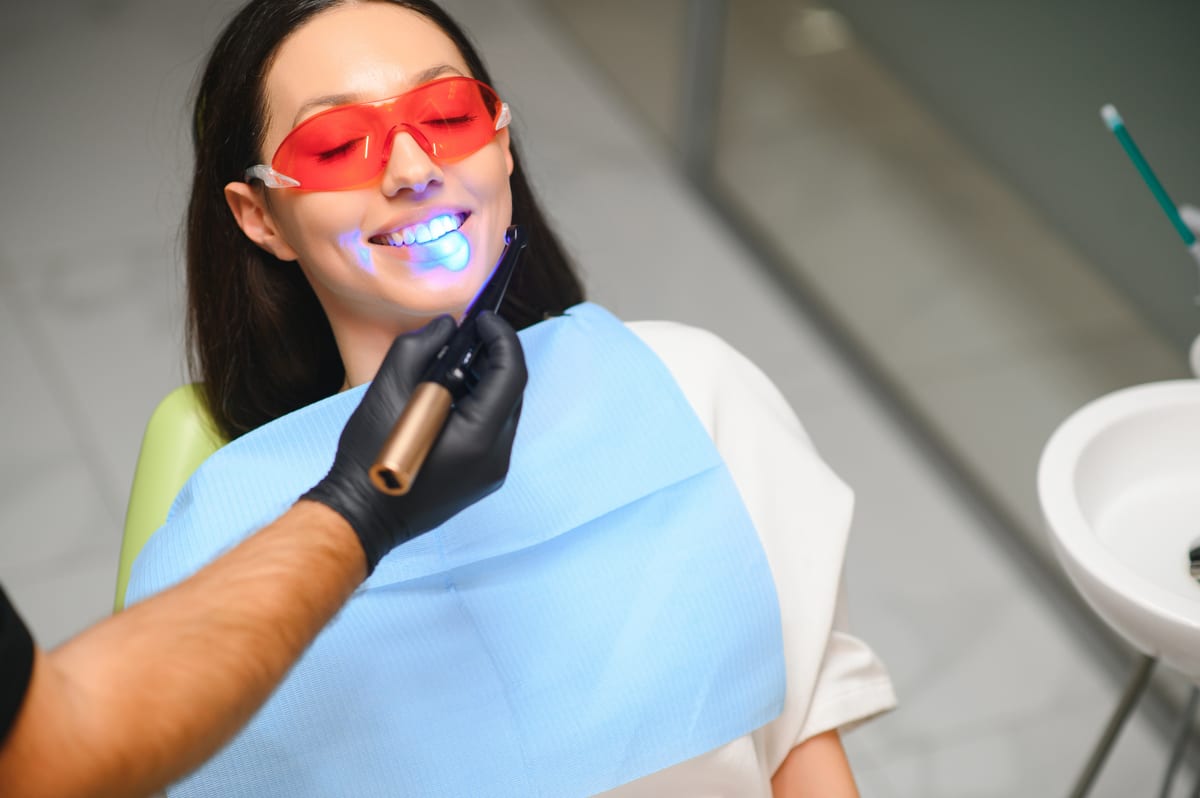
Many Orlando patients try whitening products and feel frustrated when results disappoint. Understanding why your teeth won’t whiten — and the real solutions for stain types in Orlando — starts with knowing what kind of stain you actually have. Not all stains respond to bleaching. In fact, the type of stain determines which treatment will work. At Elegantly Dental of Sand Lake, Dr. Young S. Lee helps patients understand exactly why their smile isn’t brightening — and what can realistically be done about it.
Extrinsic Stains: The Surface Stains Whitening Can Treat
Extrinsic stains live on the outer surface of your tooth enamel. They come from food, drinks, and lifestyle habits that gradually discolor your teeth. Coffee, tea, red wine, and tobacco are the most common culprits. These stains respond well to professional whitening treatments.
When whitening gels reach surface stains, the bleaching agents break down discoloration effectively. Professional-grade treatments are significantly stronger than store-bought kits. A dental office can safely apply higher concentrations of whitening agents. This gives you faster, more dramatic results than over-the-counter products.
Common causes of extrinsic staining include:
- Coffee and tea consumed daily
- Red wine and dark-colored sodas
- Tobacco use, including smoking and chewing
- Heavily pigmented foods like berries and soy sauce
- Poor brushing habits that allow plaque buildup
If extrinsic stains are caught early, professional cleanings combined with whitening treatments can dramatically improve your smile. Regular teeth cleaning appointments help prevent surface stains from becoming permanent. Dr. Lee recommends professional cleanings before any whitening treatment to maximize your results.
Intrinsic Stains: Why Whitening Won’t Always Work
Intrinsic stains develop inside the tooth structure itself. They form during tooth development or as a result of trauma, medication, or aging. Bleaching agents cannot penetrate deeply enough to affect these stains. This is the main reason why your teeth won’t whiten despite repeated attempts.
Several factors cause intrinsic discoloration. Tetracycline antibiotics taken during childhood are a well-known cause. Excessive fluoride exposure during tooth development can cause fluorosis, creating white spots or brown streaks. Dental trauma — like a hard knock to a tooth — can cause internal bleeding that discolors the tooth from within.
Common causes of intrinsic staining include:
- Tetracycline or other antibiotic use during childhood
- Dental fluorosis from excessive fluoride exposure
- Tooth trauma or internal nerve damage
- Natural aging, which thins enamel and darkens underlying dentin
- Genetic conditions affecting enamel development
These stains require cosmetic or restorative solutions rather than whitening. Understanding this distinction saves patients time and money. Dr. Lee performs a thorough evaluation to identify stain type before recommending any treatment plan.
Real Solutions for Stains That Won’t Respond to Whitening in Orlando
When whitening fails, patients in Orlando have several effective alternatives. The right solution depends on the severity and cause of the stain. Cosmetic Dentistry Orlando offers multiple pathways to a brighter smile — even for the most stubborn intrinsic discoloration.
Dental veneers are a top choice for intrinsic stains. These thin porcelain shells bond directly to the front of your teeth. They completely mask discoloration and can reshape or resize teeth simultaneously. Veneers are custom-crafted to match your desired shade of white.
Dental crowns work well when a tooth has significant structural damage alongside staining. A crown covers the entire visible portion of the tooth. This solution addresses both cosmetic and functional concerns at once. Dr. Lee recommends crowns when a tooth needs protection beyond what a veneer can provide.
Invisalign does not treat staining directly, but alignment issues can make stains harder to clean and more noticeable. Straightening your teeth first improves the effectiveness of future cosmetic treatments. Teeth whitening after Invisalign treatment delivers noticeably better results on properly aligned teeth.
For teeth with internal discoloration caused by nerve damage, treatment inside the tooth may be necessary. A Root Canal Orlando procedure can remove damaged pulp tissue that is causing discoloration from within. After treatment, the tooth can be restored with a crown or veneer to match your surrounding smile.
How Dr. Lee Diagnoses Stain Type and Plans Your Treatment
Getting an accurate diagnosis is the essential first step. Dr. Young S. Lee examines your teeth closely to determine whether staining is extrinsic, intrinsic, or a combination of both. He reviews your dental and medical history to identify contributing factors. This thorough approach ensures you receive the right treatment — not just the most popular one.
Digital imaging and clinical examination help reveal the depth and origin of staining. Dr. Lee discusses your goals, budget, and timeline before making any recommendations. He takes time to explain every option in plain language. Patients leave consultations feeling informed and confident about their next step.
At Elegantly Dental of Sand Lake, no treatment is one-size-fits-all. Some patients need only a professional cleaning and whitening session. Others benefit most from veneers or crowns designed to last decades. The plan is always tailored to your specific smile and situation.
When to See a Dentist About Tooth Discoloration in Orlando
You should not wait long before seeking professional advice about staining. Some discoloration signals underlying dental problems that need prompt attention. A single dark tooth, for example, may indicate a dead or injured nerve. Catching these issues early leads to simpler, more affordable treatment.
Discoloration accompanied by pain, sensitivity, or swelling requires urgent evaluation. These symptoms suggest infection or nerve involvement. Emergency dentistry services at Elegantly Dental of Sand Lake are available for patients who need immediate care. Do not ignore warning signs hoping the staining will resolve on its own.
Even cosmetic staining benefits from early professional intervention. Mild surface staining is far easier to treat than deeply embedded discoloration. Regular checkups with Dr. Lee keep staining manageable before it becomes a significant cosmetic concern.
Frequently Asked Questions
Why do my teeth look yellow even after whitening treatments?
Yellow teeth after whitening often indicate intrinsic staining, which originates inside the tooth structure. Bleaching agents only affect the outer enamel surface. If the discoloration comes from aging dentin, past medication use, or dental trauma, whitening products cannot reach it. Dr. Lee can evaluate your specific stain type and recommend alternatives like veneers or crowns.
Can veneers fix all types of tooth staining?
Veneers are highly effective at covering intrinsic stains that whitening cannot treat. They bond to the front surface of your teeth and mask discoloration completely. However, veneers are a cosmetic solution and not suitable for every patient. Dr. Lee will assess your tooth structure and overall oral health before recommending veneers.
Is teeth whitening safe to do repeatedly?
Professional teeth whitening is safe when performed under dental supervision. However, overusing whitening products — especially at-home kits — can cause sensitivity and enamel erosion over time. Dr. Lee recommends spacing out whitening treatments and using professionally formulated products. Regular monitoring ensures your enamel remains protected.
What causes a single tooth to turn dark?
A single dark tooth usually indicates internal damage, such as a dead or injured nerve. Trauma, deep decay, or a past infection can all cause this type of discoloration. This is considered an intrinsic stain and requires treatment inside the tooth itself. A root canal followed by a crown or veneer typically restores both the health and appearance of the tooth.
How do I know which whitening solution is right for me?
The right solution depends entirely on your stain type and the overall condition of your teeth. A professional dental evaluation is the only reliable way to determine this. Dr. Young S. Lee at Elegantly Dental of Sand Lake provides comprehensive consultations to identify your stain origin and match you with the most effective treatment. Book Now to schedule your appointment with our team.



New Patients Welcome!
Optimal oral health starts with a customized treatment plan. Begin your treatment by scheduling a consultation today.