We accept Medicare
Your New Crown Will Last Years If You Do This
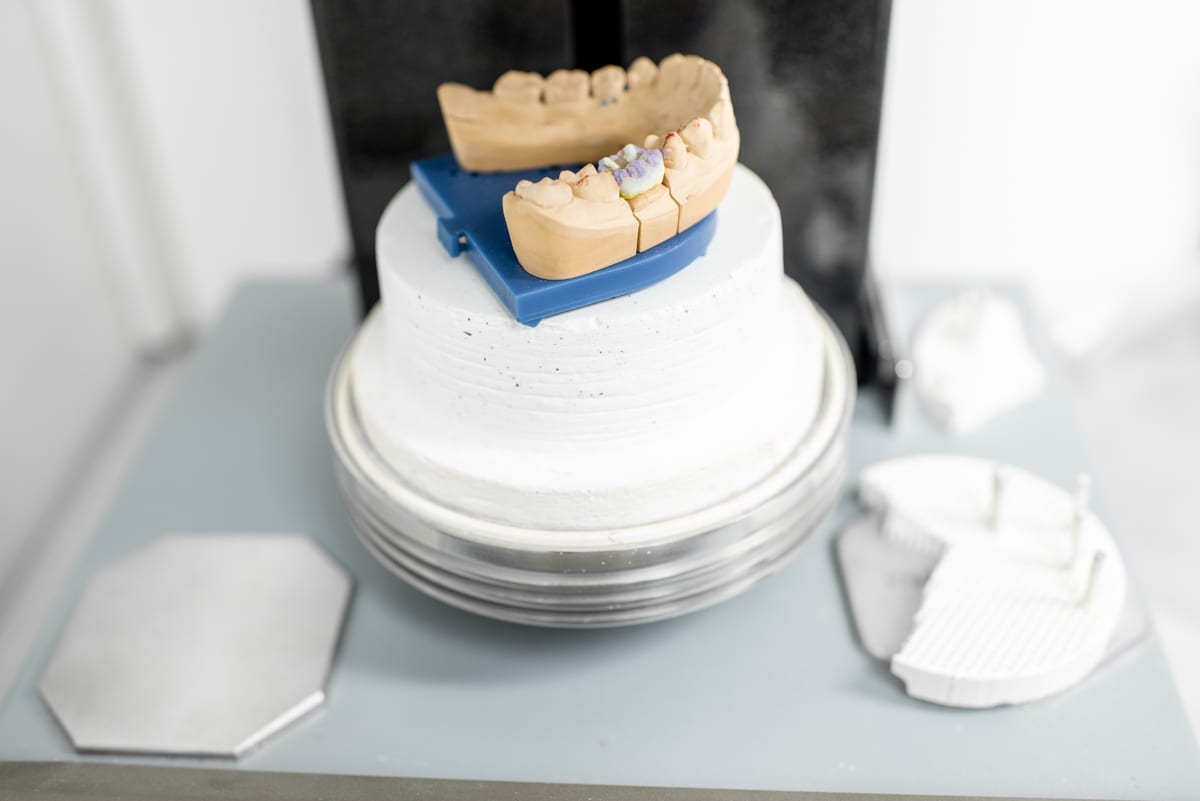
Your new crown will last years if you do this in Orlando — and it starts with understanding how to care for it properly. Dental crowns are a long-term investment in your smile. With the right habits, your crown can easily last 15 years or more. Dr. Young S. Lee at Elegantly Dental of MetroWest wants every patient to get the most out of their restoration.
Many people assume a crown requires no special attention. That is a common misconception. A crown protects a tooth, but it still needs consistent care. Neglect can lead to decay at the margins, gum problems, or even crown failure.
Why Crown Care in Orlando Matters More Than You Think
Orlando’s warm, humid climate means most residents stay active and hydrated throughout the year. Staying hydrated is great for oral health. However, many popular local foods and drinks — from citrus juices to sweet iced coffees — can threaten your crown’s longevity.
A crown covers the visible portion of a damaged tooth. The tooth root beneath it is still vulnerable. Bacteria and plaque can still collect at the gum line. That area, called the margin, is where most crown-related problems begin.
Understanding your risk factors is the first step. Patients who grind their teeth, drink acidic beverages frequently, or skip regular check-ups face a higher chance of early crown failure. The good news is that every one of these risks is manageable.
How to Clean Around Your Crown the Right Way
Brushing around a crown is slightly different from brushing a natural tooth. You need to pay extra attention to the gumline. That margin where the crown meets the gum collects plaque just like any other tooth surface. Missing this area regularly leads to decay underneath the crown.
Follow these cleaning steps every day to protect your crown:
- Brush twice daily using a soft-bristle toothbrush
- Angle the brush at 45 degrees toward the gum line
- Use gentle circular motions — never scrub aggressively
- Floss daily, sliding the floss carefully below the gum margin
- Use a water flosser if traditional floss feels difficult around the crown
- Rinse with an antibacterial mouthwash to reduce bacterial buildup
Flossing is especially important. Many patients skip it, thinking the crown cannot decay. However, the natural tooth structure beneath the crown absolutely can. Keeping that margin clean is one of the most effective things you can do at home.
Ask Dr. Lee at your next visit to demonstrate the correct flossing technique for your specific crown. Small adjustments in technique can make a big difference over time.
Foods and Habits That Shorten Crown Life
What you eat and drink directly affects how long your crown lasts. Some foods and habits place excessive stress on the restoration. Others allow harmful bacteria to thrive at the margin. Knowing which to avoid helps you protect your investment.
Avoid these foods and habits to extend your crown’s lifespan:
- Hard foods like ice, hard candy, and crusty bread that can crack the crown
- Sticky foods like caramel, taffy, and gummy candies that pull at the crown
- Acidic drinks like soda, citrus juice, and sports drinks that erode the margin
- Chewing on pens, fingernails, or non-food objects
- Using your teeth to open packages or bottles
- Smoking or using tobacco, which accelerates gum recession near the crown
Some of these habits feel harmless in the moment. Over time, however, they add up. A single episode of biting down on ice could fracture a porcelain crown. Repeated exposure to acidic drinks weakens the cement bond that holds the crown in place.
If you enjoy citrus-heavy foods common in Florida, rinse your mouth with water afterward. This simple step neutralizes acids quickly and protects both the crown and surrounding enamel.
Night Guards for Grinders — A Crown’s Best Friend
Bruxism, or teeth grinding, is one of the leading causes of early crown failure. Many people grind their teeth during sleep without realizing it. The pressure from grinding can fracture a crown or wear it down faster than normal use would. This is a particularly important consideration for anyone who has invested in Cosmetic Dentistry Orlando restorations.
A custom night guard is a thin oral appliance worn during sleep. It cushions the teeth and absorbs grinding forces. This protects the crown from direct impact. It also protects your natural teeth, jaw joints, and surrounding restorations.
Signs that you may be grinding your teeth include:
- Waking up with jaw soreness or headaches
- Noticing worn, flattened, or chipped teeth
- Experiencing tooth sensitivity without an obvious cause
- Your partner reporting grinding sounds during the night
Dr. Lee can evaluate your bite and signs of grinding at your regular exam. If bruxism is suspected, a custom-fitted night guard made at our MetroWest office offers far better protection than over-the-counter options. It is one of the smartest steps a crown patient can take.
Regular Check-Ups Keep Your Crown on Track
Even with excellent home care, professional check-ups are essential. Dr. Lee monitors the crown margin, checks the fit, and examines surrounding gum tissue at each visit. Catching a small issue early prevents a much larger problem later.
Professional cleanings also remove hardened tartar that a toothbrush cannot reach. Tartar buildup at the crown margin accelerates gum recession. Once the margin is exposed, bacteria can penetrate underneath the crown and cause decay on the remaining tooth structure.
Patients who have had more complex dental work — such as a Root Canal Orlando treatment followed by a crown — should be especially consistent with their recall appointments. A root canal-treated tooth has no nerve sensation, meaning decay beneath the crown can progress silently without pain.
Twice-yearly visits are the standard recommendation. Some patients with a higher risk of gum disease or heavy grinding may benefit from visits every three to four months. Dr. Lee will recommend the right schedule based on your individual needs.
Conclusion: Small Habits, Long-Lasting Results
Your crown can serve you well for many years with consistent, mindful care. Clean the margins every day, avoid foods that stress the restoration, and wear a night guard if you grind. These small habits compound into decades of reliable function and a healthy, confident smile.
The team at Elegantly Dental of MetroWest is here to support you every step of the way. Whether you need a custom night guard, a professional cleaning, or a crown check-up, Dr. Young S. Lee and our Orlando team are ready to help. Book Now to schedule your appointment with our team.
Frequently Asked Questions
How long does a dental crown typically last?
A well-maintained dental crown can last anywhere from 10 to 20 years. Longevity depends on the material used, your oral hygiene habits, and whether you grind your teeth. Regular check-ups with Dr. Lee help identify any issues before they shorten the crown’s lifespan.
Can I get a cavity under a dental crown?
Yes, decay can develop at the margin where the crown meets the natural tooth. The crown itself cannot decay, but the tooth structure underneath it can. Daily flossing and brushing at the gum line, combined with professional cleanings, are the best defenses against this.
Do I really need a night guard if I have a crown?
If you grind or clench your teeth, a night guard is strongly recommended. Grinding places extreme pressure on crowns and can cause cracking, loosening, or premature wear. A custom night guard from Dr. Lee provides a precise fit and significantly extends the life of your restoration.
What foods should I avoid right after getting a crown?
For the first 24 to 48 hours after placement, avoid sticky and hard foods while the cement fully sets. Long-term, limit sticky candies, ice chewing, and highly acidic beverages. These habits protect not just the crown but the entire surrounding tooth structure.
How often should I visit the dentist after getting a crown?
Most patients with a dental crown should visit twice a year for professional cleanings and exams. Patients who grind their teeth or have a history of gum disease may benefit from more frequent visits. Dr. Lee will personalize your schedule based on your specific oral health needs.


New Patients Welcome!
Optimal oral health starts with a customized treatment plan. Begin your treatment by scheduling a consultation today.