We accept Medicare
Your Periodontal Treatment Recovery: Week-by-Week Expectations and Pain Relief

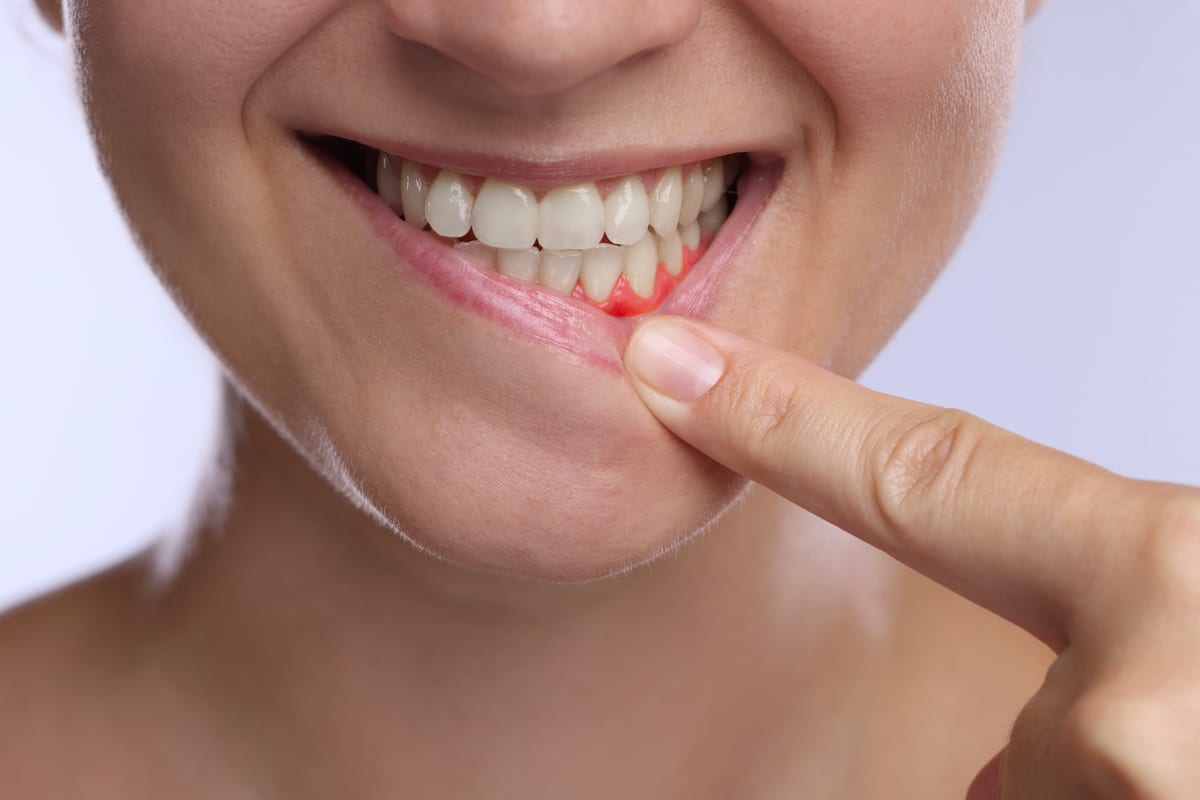
Recovering from periodontal treatment can feel overwhelming without the right guidance. At Elegantly Dental of Ocoee, we want every Paradise Heights patient to feel confident and informed. Your periodontal treatment recovery: week-by-week expectations and pain relief in Paradise Heights starts with understanding what is normal. Dr. Young S. Lee and our team are here to walk you through every stage of healing.
Periodontal disease affects the gums and supporting bone around your teeth. Treatments like scaling and root planing, gum surgery, or osseous surgery require proper aftercare. The better you follow post-treatment instructions, the smoother your recovery will be. Let’s break it all down so you know exactly what to expect.
Week One: Managing Discomfort and Inflammation After Periodontal Treatment in Paradise Heights
The first week is typically the most uncomfortable part of your recovery. Swelling, tenderness, and some bleeding are completely normal during this phase. Your body is actively working to heal the treated tissue. Do not let early discomfort discourage you — it is a sign of progress.
Pain management in week one usually involves over-the-counter medications. Ibuprofen is often recommended to reduce both pain and inflammation. Always follow the dosage instructions on the label. If your dentist prescribed a pain reliever or antibiotic, take it exactly as directed.
Here are practical tips to manage the first week of recovery:
- Apply an ice pack to your cheek for 15-minute intervals on day one
- Avoid rinsing vigorously for the first 24 hours
- Use a saltwater rinse gently starting on day two
- Sleep with your head slightly elevated to reduce swelling
- Avoid smoking or tobacco products entirely
Your gums may appear bruised or darker than usual. This discoloration is temporary and will fade. Contact our office if you experience heavy or uncontrolled bleeding.
Week Two: Diet, Oral Hygiene, and What to Eat During Recovery
By week two, most acute pain begins to subside. However, your gums are still fragile and require gentle care. Adjusting your diet plays a major role in smooth healing. Focus on soft, nutrient-rich foods that do not irritate the treatment site.
Good food choices during periodontal recovery include:
- Mashed potatoes and soft cooked vegetables
- Yogurt, smoothies, and protein shakes
- Scrambled eggs and soft fish like tilapia
- Oatmeal, applesauce, and ripe bananas
- Broth-based soups served at a lukewarm temperature
Avoid crunchy, hard, or sticky foods during this period. Chips, popcorn, and raw vegetables can damage healing tissue. Hot beverages and spicy foods may also trigger sensitivity. Stick to room-temperature or cool foods for best results.
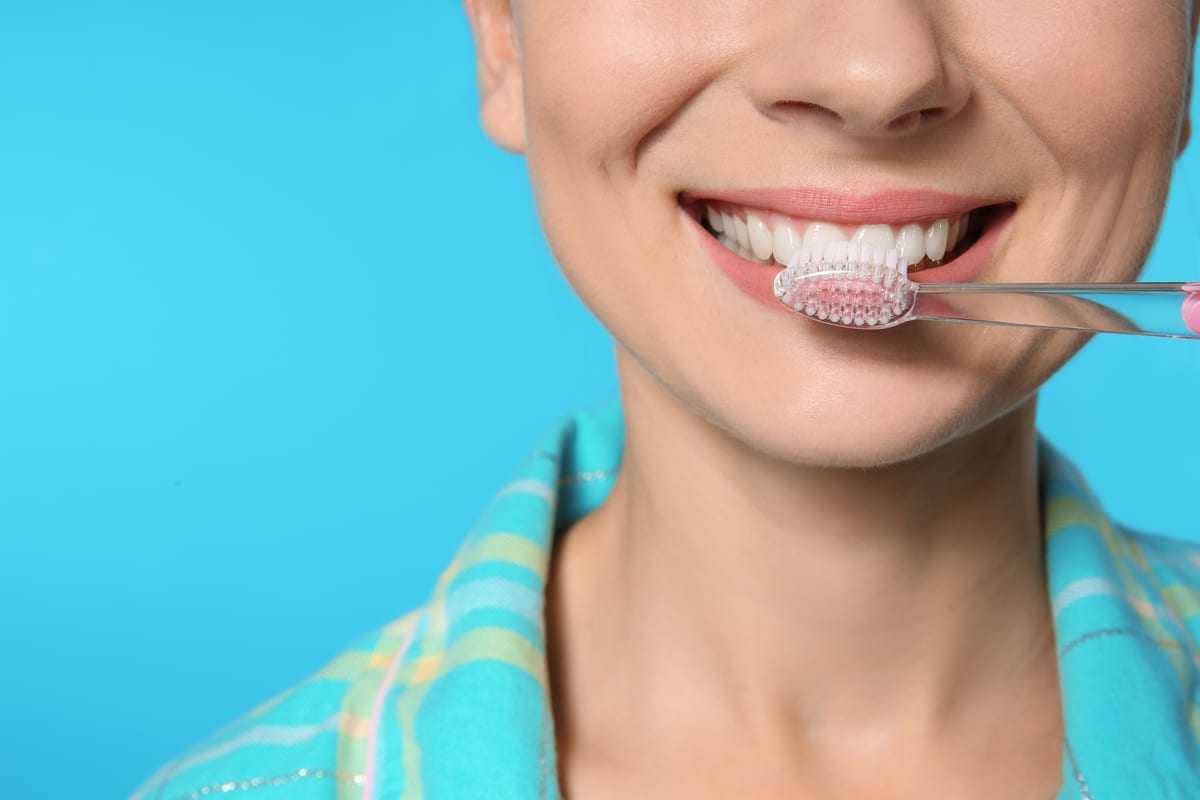
Oral hygiene in week two requires extra care. Use a soft-bristled toothbrush and gentle strokes near treated areas. Continue saltwater rinses two to three times daily. If Dr. Lee prescribed a special antimicrobial rinse, use it consistently.
Weeks Three and Four: Signs of Healing and What to Watch For
Most patients notice significant improvement by weeks three and four. Swelling should be largely gone, and tenderness continues to decrease. Your gum tissue starts to reattach and tighten around your teeth during this period. This is an exciting and encouraging stage of your recovery.
Watch for these positive healing signs during weeks three and four:
- Gums regaining a healthy pink color
- Reduced sensitivity to temperature and pressure
- Less bleeding when brushing gently
- Gum tissue feeling firmer around teeth
At the same time, remain alert for signs that something may need attention. Increased pain after initial improvement can signal a problem. Persistent swelling or a foul taste may indicate infection. Contact Elegantly Dental of Ocoee right away if you notice these symptoms.
During this phase, slowly reintroduce normal foods as your comfort allows. Start with slightly firmer textures before returning to a fully regular diet. Listen to your body — if something causes pain, stop eating it and try again in a few days. Do not rush the process.
Emergency Dentistry and When to Call Your Dentist During Recovery
Knowing when to call your dentist is a critical part of your periodontal recovery plan. Most discomfort during recovery is manageable at home. However, some symptoms require prompt professional attention. Do not hesitate to reach out to our team in Ocoee when something does not feel right.
Call our office immediately if you experience any of the following:
- Bleeding that does not stop after applying pressure for 20 minutes
- Severe or worsening pain after the third day of recovery
- Signs of infection such as fever, chills, or pus near the gum line
- Loose stitches or surgical dressings falling out prematurely
- Sudden swelling that spreads to your jaw, neck, or face
For urgent dental concerns in Paradise Heights, Emergency Dentistry Paradise Heights services are available through Elegantly Dental of Ocoee. Our team prioritizes patients experiencing complications. Acting quickly can prevent minor issues from becoming major setbacks. Never wait it out if something feels seriously wrong.
If you are also interested in restoring the aesthetic appearance of your smile after gum treatment, explore Cosmetic Dentistry Paradise Heights options. Healthy gums create the ideal foundation for cosmetic improvements. Dr. Lee can discuss veneers, whitening, or other enhancements once your gums are fully healed. A beautiful smile starts with a healthy foundation.
Long-Term Recovery: Maintaining Results and Preventing Recurrence
Periodontal disease has a tendency to return without consistent maintenance. Long-term success depends on your daily habits and regular professional care. After your gums heal, Dr. Lee may recommend more frequent cleanings — often every three to four months. These are called periodontal maintenance visits and are different from routine cleanings.
At home, commit to a thorough daily oral hygiene routine. Brush twice daily with a soft-bristled toothbrush and fluoride toothpaste. Floss at least once daily, being gentle near the gumline. An antimicrobial mouthwash can also help keep bacteria levels low.
Lifestyle factors also influence your long-term gum health. Smoking dramatically increases the risk of periodontal disease returning. A balanced diet rich in vitamins C and D supports tissue healing and immune function. Managing stress also helps, as chronic stress can weaken your immune response to oral bacteria.
Paradise Heights patients who stay consistent with their follow-up care see the best long-term outcomes. Think of your periodontal maintenance visits as an investment in your overall health. Research continues to link gum disease to systemic conditions like heart disease and diabetes. Protecting your gums protects far more than just your smile.
Conclusion: Your Recovery Journey with Elegantly Dental of Ocoee
Your periodontal treatment recovery is a journey that unfolds week by week. With the right information and support, you can heal comfortably and confidently. Dr. Young S. Lee and the Elegantly Dental of Ocoee team are proud to serve Paradise Heights patients through every stage of care. We believe that educated patients achieve the best results. Book Now to schedule your appointment with our team.
Frequently Asked Questions
How long does it take to fully recover from periodontal treatment?
Most patients experience significant improvement within two to four weeks. Full tissue healing can take up to several months depending on the severity of the disease and the extent of treatment. Consistent home care and follow-up visits with Dr. Lee support faster and more complete recovery.
Is it normal to have pain for more than a week after periodontal treatment?
Mild to moderate soreness during the first week is completely normal. Discomfort that worsens after day three or persists beyond week two should be reported to our office. This may signal an infection or other complication that requires prompt attention.
What can I eat after periodontal surgery?
Stick to soft, non-irritating foods for at least the first two weeks. Good options include yogurt, smoothies, mashed vegetables, eggs, and lukewarm soups. Avoid hard, crunchy, spicy, or very hot foods until your gums have healed sufficiently.
Can periodontal disease come back after treatment?
Yes, periodontal disease can recur without proper maintenance. Regular periodontal maintenance visits, typically every three to four months, significantly reduce the risk of recurrence. Daily brushing, flossing, and avoiding tobacco are also essential to keeping the disease from returning.
When should I call the dentist during my periodontal recovery?
Call Elegantly Dental of Ocoee right away if you experience uncontrolled bleeding, severe or worsening pain, signs of infection like fever or pus, or swelling that spreads to your jaw or neck. These symptoms may require urgent care and should never be ignored.


New Patients Welcome!
Optimal oral health starts with a customized treatment plan. Begin your treatment by scheduling a consultation today.